| Pump Type |
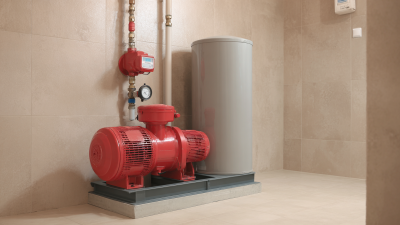
Multistage centrifugal pump for high-head boiler feed applications; horizontal or vertical construction selected according to layout and pressure requirements. |
High |
Match the pump design with required flow, discharge pressure, water temperature, installation space, and operating duty. |
Confirm access to wear rings, bearings, mechanical seals, couplings, and stage components. |
| Rated Flow Capacity |
Select the rated point close to the normal operating demand, with practical allowance for peak load and future capacity needs. |
High |
Review the complete performance curve rather than comparing only the nameplate flow. Check normal, minimum, and maximum operating points. |
Avoid prolonged operation far below the minimum stable flow, which can cause overheating, vibration, and internal recirculation. |
| Total Dynamic Head |
The pump head must exceed boiler pressure, feed-line losses, elevation difference, control-valve losses, and required terminal pressure. |
High |
Calculate system resistance at actual feed-water temperature and verify the shutoff head, rated head, and run-out condition. |
Excessive head can increase throttling losses, shaft loading, and wear; insufficient head can reduce boiler water-level control. |
| Hydraulic Efficiency |
Approximately 75% to 90% for many properly selected industrial centrifugal pumps; larger, well-matched units may achieve the upper part of this range. |
High |
Compare efficiency at the normal duty point and calculate wire-to-water efficiency, not only hydraulic efficiency. |
Efficiency loss may indicate impeller damage, wear-ring clearance growth, fouling, misalignment, or operation away from the best efficiency point. |
| Best Efficiency Point (BEP) |
Normal operation should be kept reasonably close to the pump BEP; many designers target approximately 80% to 110% of BEP flow where system conditions permit. |
High |
Overlay the system curve and pump curve. Check that normal and expected seasonal operating points remain within the preferred operating region. |
Operation too far from BEP can increase radial thrust, vibration, seal loading, bearing temperature, and energy consumption. |
| Motor Efficiency |
Use a high-efficiency motor suitable for the local electrical standard; IE3 or IE4 efficiency classes are commonly considered for new industrial installations. |
High |
Compare motor efficiency at the actual load, starting method, voltage, frequency, service factor, and speed-control requirements. |
Check cooling passages, insulation condition, terminal tightness, bearing condition, and alignment during scheduled inspections. |
| Variable-Speed Control |
Useful where feed-water demand varies significantly; speed control can reduce throttling losses when the system curve supports variable operation. |
Medium |
Compare lifecycle energy cost with fixed-speed throttling. Verify minimum speed, motor compatibility, control response, and bypass requirements. |
Inspect the drive cooling system, filters, harmonic mitigation equipment, cable terminations, and control alarms. |
| Net Positive Suction Head (NPSH) |
NPSH available must exceed NPSH required with a documented site margin; the margin should be confirmed through the system design rather than assumed. |
High |
Calculate NPSH available using actual tank pressure, liquid temperature, suction losses, elevation, and vapor pressure. Compare it with the certified NPSH required curve. |
Cavitation symptoms include crackling noise, vibration, unstable flow, pitting, and rapid impeller damage. |
| Feed-Water Temperature |
Often elevated and close to saturation conditions in deaerator service; final limits depend on suction pressure, dissolved-gas control, and pump design. |
High |
Specify normal, minimum, and maximum temperature and verify casing, seal, bearing, and material ratings at those conditions. |
Hot service increases seal, bearing, lubrication, and thermal-expansion demands. Allow correct warm-up and controlled startup procedures. |
| Materials of Construction |
Materials should resist hot, treated boiler feed water and match oxygen content, pH, conductivity, chloride level, and chemical-treatment conditions. |
High |
Review the material list for casing, impeller, shaft, wear rings, fasteners, and seal components. Confirm compatibility with the water chemistry. |
Monitor corrosion, erosion, galvanic attack, deposits, and chemical-cleaning compatibility. |
| Mechanical Seal Arrangement |
Select a seal system rated for the actual temperature, pressure, fluid chemistry, and shaft speed; cartridge seals can simplify replacement when correctly specified. |
High |
Compare leakage control, flush-plan requirements, seal-face materials, allowable pressure, and availability of replacement parts. |
Check leakage, flush flow, seal-pot or barrier-system condition, and shaft or sleeve wear at planned intervals. |
| Bearing and Lubrication System |
Use bearings and lubrication suitable for continuous duty, operating temperature, speed, axial thrust, and expected service life. |
High |
Compare bearing type, calculated life, lubrication method, temperature limits, thrust capacity, and condition-monitoring provisions. |
Maintain correct oil level or grease quantity, prevent contamination, and trend bearing temperature and vibration. |
| Reliability and Duty Arrangement |
Critical boiler systems commonly use duty/standby capacity so that one pump can support operation while the other is unavailable. |
High |
Assess required availability, automatic changeover, standby testing, isolation valves, minimum-flow protection, and emergency operating procedures. |
Run and test standby equipment periodically; confirm automatic start logic and keep critical spares available. |
| Vibration and Alignment |
The pump and motor should be installed on a rigid foundation with precision shaft alignment and vibration levels within applicable industry limits. |
High |
Request factory test data where applicable and establish baseline vibration, bearing temperature, and coupling condition after commissioning. |
Trend vibration rather than relying only on periodic visual inspection. Recheck alignment after pipework or foundation changes. |
| Minimum-Flow Protection |
Provide a recirculation line, automatic recirculation valve, or another approved method when the process can operate below the pump's minimum continuous stable flow. |
High |
Confirm the minimum-flow requirement from the pump curve and calculate the heat rise during recirculation at low demand. |
Inspect recirculation valves, orifices, strainers, and control signals for blockage, leakage, or incorrect settings. |
| Energy Consumption |
Evaluate total electrical input at normal, minimum, and peak conditions; lifecycle energy cost is often more significant than the initial purchase price. |
High |
Use: Pump input power ≈ (Flow × Pressure or Head) ÷ (Overall efficiency). Include motor, drive, throttling, and standby losses. |
Keep the pump near its efficient operating region and restore clearances or components when performance degradation is confirmed. |
| Noise and Operating Environment |
Noise and vibration should comply with applicable site, occupational, and machinery requirements. |
Medium |
Compare measured sound levels, vibration limits, foundation design, acoustic enclosure needs, and room ventilation. |
Investigate sudden changes in noise or vibration because they may indicate cavitation, looseness, bearing damage, or misalignment. |
| Maintainability |
Prefer designs that permit inspection and replacement of seals, bearings, wear rings, couplings, and other consumable parts without unnecessary system dismantling. |
High |
Review maintenance drawings, lifting requirements, removal clearances, special tools, estimated repair time, and spare-parts interchangeability. |
Create preventive-maintenance intervals based on operating hours, starts, temperature, vibration, and water chemistry. |
| Instrumentation and Monitoring |
Recommended measurements include suction and discharge pressure, flow, bearing temperature, motor current, vibration, seal leakage, and pump status. |
High |
Confirm sensor ranges, alarm and trip settings, data logging, remote communication, and compatibility with the plant control system. |
Calibrate instruments and verify alarm functions during planned shutdowns and commissioning checks. |
| Testing and Documentation |
Require verified performance data, certified materials where needed, installation instructions, operating limits, spare-parts lists, and maintenance procedures. |
High |
Compare the offered pump against the required test standard, acceptance tolerances, performance curve, drawings, and documentation package. |
Retain baseline test results and manuals as the reference for future troubleshooting and performance audits. |
| Total Cost of Ownership |
Evaluate purchase price, installation, electrical consumption, water-treatment impact, planned maintenance, unplanned downtime, spare parts, and disposal costs. |
High |
Use a multi-year lifecycle-cost model with realistic operating hours, electricity price, load profile, maintenance intervals, and downtime consequences. |
A higher-efficiency or more maintainable pump can provide lower lifecycle cost even when its initial price is higher. |
| Engineering note: The ranges and practices above are typical screening guidance, not a substitute for a project-specific hydraulic calculation, boiler operating specification, water-chemistry review, applicable safety requirements, and final pump-system acceptance testing. |