Top Benefits of Using Carbon Steel Pipe for Your Projects?
Carbon Steel Pipe has become a prominent choice for various industrial applications due to its durability and strength. According to the Global Steel Pipe Market report, the industry is projected to grow at a CAGR of 6.5% through 2025. This growth reflects the increasing demand for robust piping solutions in sectors such as construction, oil and gas, and water supply.
One key advantage of Carbon Steel Pipe is its resistance to high pressure. This makes it suitable for transporting fluids and gases. A study by the American Society of Mechanical Engineers (ASME) highlights that carbon steel's tensile strength can reach up to 90,000 psi, depending on the alloy used. However, proper maintenance is essential to prevent corrosion, which can shorten its lifespan.
Another benefit lies in its versatility. Carbon Steel Pipe can be easily welded and fabricated for various designs. According to a report by the American Institute of Steel Construction, projects using carbon steel can often be completed faster due to its easy availability and manipulation. Yet, it is important to carefully consider project requirements, as not all carbon steel types may be ideal for every situation.
Understanding Carbon Steel Pipe: Key Characteristics and Properties
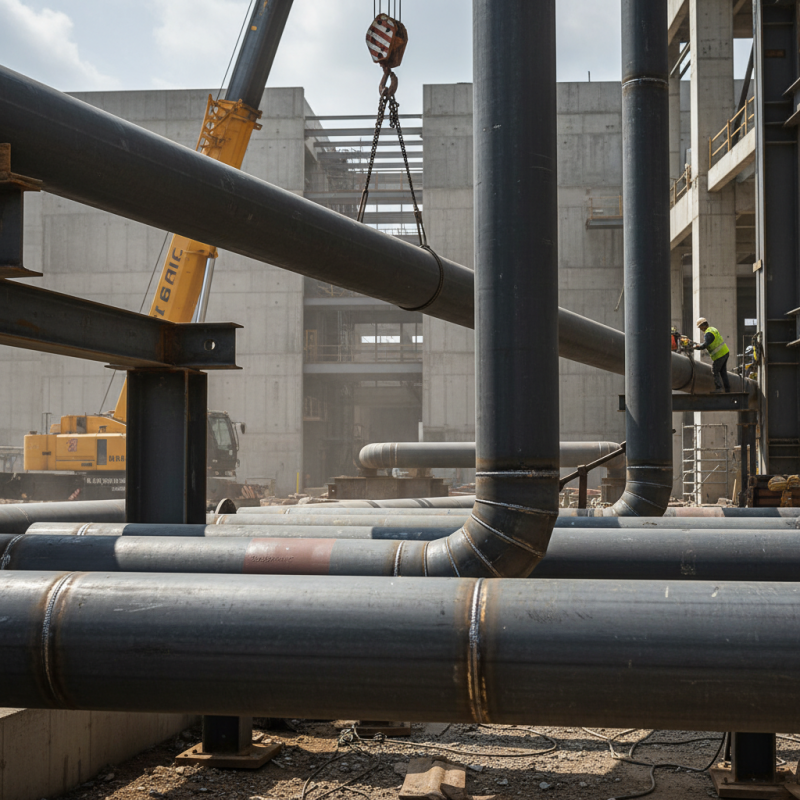
When considering materials for construction projects, carbon steel pipe stands out due to its significant characteristics and properties. One of its primary attributes is strength. Carbon steel is known for its high tensile strength, making it suitable for various applications. Its durability ensures that structures remain sturdy over time. However, it can be prone to corrosion if not properly treated. Therefore, ensuring adequate protection, such as galvanization, is crucial.
Another key characteristic is its cost-effectiveness. Carbon steel pipe is generally less expensive than other materials like stainless steel, yet it provides similar durability in many cases. This affordability makes it an attractive choice for budget-conscious projects. However, it's essential to balance quality with cost, as opting for the cheapest option may lead to future expenses related to maintenance or replacement.
Tip: Always assess the environmental conditions your project will face. If moisture levels are high, consider protective coatings to prevent rust. Additionally, be mindful of welding techniques, as improper methods can compromise the integrity of the pipe.
Choosing the right carbon steel pipe involves understanding these properties. Not every project will benefit from this material. In some cases, alternative options may better serve the project's needs. Therefore, evaluate all variables before making a decision.
Advantages of Carbon Steel Pipe in Construction and Industrial Applications
Carbon steel pipe offers numerous advantages in construction and industrial applications. Its excellent strength-to-weight ratio makes it ideal for heavy-duty projects. This material can withstand high pressures, making it suitable for pipelines and structural elements. In addition, carbon steel can be easily fabricated, allowing for customized shapes and sizes to fit specific project needs.
One significant benefit is its cost-effectiveness. Compared to other materials, carbon steel is often less expensive while providing similar durability. This makes it a popular choice for numerous applications, from water supply systems to HVAC installations. However, carbon steel can be prone to corrosion if not properly treated. Proper protective coatings are essential to enhance its lifespan and reliability.
Another aspect to consider is its recyclability. Carbon steel pipes can be recycled multiple times without losing their quality, promoting sustainability. This aligns well with modern construction practices that prioritize eco-friendliness. While the maintenance and protective measures may seem cumbersome, they are vital for maximizing the benefits of carbon steel pipes in any project.
Top Benefits of Using Carbon Steel Pipe for Your Projects
| Benefit | Description | Application |
| High Strength | Carbon steel pipes have excellent tensile strength, making them suitable for high-pressure applications. | Construction, Oil and Gas |
| Cost-Effective | Compared to other materials, carbon steel pipes are often more affordable with lower initial costs. | Plumbing, Manufacturing |
| Versatility | They can be used in various applications, from transportation of liquids to structural uses in buildings. | Water Supply, Construction |
| Durability | These pipes can withstand harsh environmental conditions, increasing their lifespan. | Industrial Applications, Infrastructure |
| Weldability | Carbon steel pipes are easy to weld, allowing for complex designs and repair processes. | Fabrication, Construction |
| Recyclability | Carbon steel is recyclable, making it an environmentally friendly choice. | Sustainable Construction, Waste Management |
Cost Efficiency: How Carbon Steel Pipe Saves Money in Projects
Carbon steel pipe stands out for its cost efficiency in various projects. Many industries prefer this material due to its good balance between pricing and performance. Contractors often find that using carbon steel pipe helps reduce overall project costs. Its durability means fewer replacements, leading to long-term savings.
The manufacturing process of carbon steel pipes is efficient, resulting in lower prices. This efficiency translates to savings on raw material costs. Additionally, carbon steel pipes are lightweight, which simplifies transportation and lowers shipping expenses. Projects can benefit from these savings, enabling better allocation of budgets to other essential areas.
However, some may overlook the need for proper maintenance. While carbon steel pipes are sturdy, they require protective coatings to prevent corrosion. Ignoring this can lead to unexpected expenses down the line. It's crucial to consider the complete lifecycle of the pipes. Proper planning can mitigate risks and enhance the cost benefits associated with using carbon steel pipes.
Top Benefits of Using Carbon Steel Pipe for Your Projects
The chart above illustrates the cost efficiency of carbon steel pipes across various aspects such as material cost, installation cost, maintenance cost, and long-term durability. Carbon steel pipes present significant savings when considering their overall lifecycle and performance in projects.
Durability and Longevity of Carbon Steel Pipe in Various Environments
Carbon steel pipes are renowned for their remarkable durability and longevity. They perform well in various environments, from industrial sectors to residential applications. When exposed to extreme temperatures and pressures, carbon steel remains reliable. This quality is crucial for projects that demand safety and efficiency.
Choosing the right carbon steel can enhance a project's lifespan. Consider factors like corrosion resistance and wall thickness. The right specifications can prevent early failures and reduce maintenance costs. Always inspect the pipes for any defects before installation.
Tips: Store carbon steel pipes properly to avoid moisture damage. Ensure they remain dry and away from direct sunlight. Regularly check for signs of wear, particularly in high-stress applications. Proper care can extend the life of your project significantly.
Versatility of Carbon Steel Pipe: Applications Across Different Industries
Carbon steel pipes have become essential in various industries due to their flexibility and strength. These pipes are widely used in construction, oil and gas, automotive, and manufacturing sectors. According to the American Iron and Steel Institute, carbon steel accounts for about 85% of steel production, highlighting its importance. Their adaptability allows for use in high-pressure applications, making them a preferred choice for many engineers.
In the construction industry, carbon steel pipes are crucial for frameworks and structural support. They are also integral to plumbing systems. The World Steel Association reports that carbon steel is often used due to its weldability and mechanical properties. However, these benefits come with challenges, such as rust and corrosion issues, which could result in costly maintenance.
The energy sector relies heavily on carbon steel pipes for transporting oil and gas. These pipes withstand extreme temperatures and pressures. Industry research suggests that proper insulation can mitigate some of the risks associated with corrosion. Nevertheless, projects often face dilemmas regarding maintenance strategies and long-term durability assessments. Balancing cost, safety, and reliability remains a consistent challenge.