A boiler condensate pump has a demanding job: it moves collected water away from a boiler when gravity drainage is not practical. The right model can help prevent overflow, nuisance shutdowns, and damp patches near equipment. The wrong one may struggle with the lift, run too often, or prove awkward to maintain. Small details matter.
This 2026 buyer’s guide compares seven options by practical selection factors, including pumping capacity, vertical lift, temperature range, reservoir size, electrical requirements, and service access. Those specifications should be checked against your boiler’s instructions and the actual installation. A pump suited to a compact residential system may not fit a busy commercial setup. It depends.
We also consider features buyers can overlook, such as alarm connections, check valves, noise, and the space needed to remove a cover or clean a reservoir. Manufacturer data is useful, but it cannot replace correct sizing or a site assessment. Even a well-reviewed pump can disappoint when its duty point is mismatched.
There is no universal winner. Some buyers may value quiet operation, while others need greater lift or simpler maintenance. The comparisons ahead are intended to narrow the choices, not promise identical results in every home. Check the model’s current specifications before purchase, and ask a qualified heating professional when system requirements are unclear. That extra check is worth making.
A boiler condensate pump collects water formed when steam releases heat, then moves it back toward a boiler or feedwater tank. This matters when the equipment sits below the return point or system pressure cannot move condensate reliably. Without suitable pumping, water can collect in coils and pipes, causing uneven heating, noise, or interruptions. Small details matter: measure the lift, estimate peak condensate flow, and check the liquid temperature before selecting a pump.
Returning hot condensate also preserves heat and treated water. The U.S. Department of Energy’s Steam Tip Sheet 8 reports that each 10°F increase in boiler feedwater temperature can reduce fuel use by about 1%. Actual savings depend on the system, return rate, and operating conditions; a pump alone cannot guarantee them. Check valve materials, receiver capacity, and control operation against the installation. Keep maintenance access clear. A clogged strainer can spoil a good setup. Selection is not always neat, either: real systems may have changing loads that calculations miss.
Understanding Boiler Condensate Pumps and Their Role
The chart estimates condensate flow when all steam returns as liquid at 212°F, using a water density of approximately 8.04 lb per US gallon. Actual pump selection also depends on lift, pipe losses, system pressure, temperature, and an appropriate capacity margin.
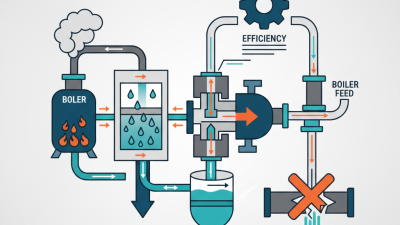
Boiler condensate pumps handle water that gravity cannot return to the boiler or move to a drain. Steam cools inside radiators, coils, or pipes, then becomes liquid. That water collects in a small receiver tank beneath the system’s return line. The pump waits until enough condensate enters. Quietly, most of the time.
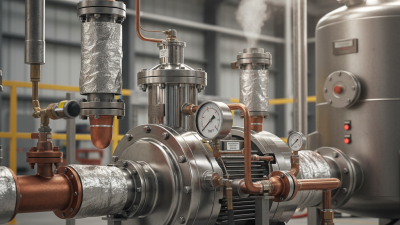
A float inside the receiver rises with the water level. At a set point, it activates the pump motor. The motor spins an impeller, which pushes condensate into a discharge pipe. A check valve helps stop water from flowing backward when the pump stops. The cycle ends as the tank empties and the float drops. In a real installation, flow may come in uneven bursts, not a smooth stream.
The pump’s job depends on the system layout. Discharge height, pipe length, and condensate volume all affect the work required. A unit with too little capacity may run often or allow the receiver to overflow. Excess capacity is not automatically better; it can cause short, frequent cycles. Check the boiler’s requirements and the pump’s rated flow at the needed lift. Condensate can also be hot, so pipe materials and connections must suit the operating temperature. Details matter here. A little measurement before purchase can prevent a noisy, troublesome installation.
7 Best Boiler Condensate Pumps for Buyers in 2026
In 2026, the best choice depends less on a headline rating than on the boiler’s actual condensate load. Estimate peak output, then compare it with the pump’s rated capacity at the required discharge height. A pump that looks adequate at floor level may deliver less when lifting water through a long or narrow pipe. Check reservoir size, operating temperature, and materials compatible with the condensate. Small details matter.
Look at practical safeguards, too. A high-water alarm or overflow switch can alert you before a blocked drain causes trouble. Confirm the check valve prevents backflow, and leave room to remove the cover and clean the reservoir. Noise, power supply, and duty cycle matter in a utility room that runs daily. Conditions vary, so confirm the manual’s limits and ask a qualified heating technician to verify sizing and wiring. No specification sheet captures every awkward pipe bend.
Tips: Measure vertical lift and pipe route, not just straight-line distance. Keep the inlet accessible for inspection. Compare warranty terms and replacement-part availability, but do not treat either as proof of pump quality. After installation, test the alarm and observe a full heating cycle. Measure twice.
| Pump Selection Profile | Typical Arrangement | Indicative Capacity Band | Suitable Application | Key Buying Factors | Important Checks Before Purchase |
|---|---|---|---|---|---|
| Compact single-pump unit | One pump with a small vented receiver | Approximately 1–5 gpm | Small boiler rooms and light commercial systems with modest condensate return | Compact footprint, accessible float controls, receiver volume, and service access | Confirm actual return rate and discharge head; avoid sizing from boiler input alone. |
| General-purpose single-pump unit | One pump with a larger receiver for routine return service | Approximately 5–15 gpm | Many small-to-medium commercial heating systems with steady condensate flow | Pump curve at the required head, motor suitability, receiver capacity, and connection sizes | Allow for peak return conditions and account for the full discharge route, including fittings and elevation. |
| High-head return unit | Single pump selected for higher discharge pressure | Capacity varies with head; check the pump curve | Installations where condensate must be lifted to an elevated return main or overcome higher system pressure | Rated head at the required flow, pressure limits, check-valve performance, and motor load | Calculate total dynamic head; do not compare pumps by maximum shutoff head alone. |
| High-capacity return unit | Larger pump and receiver, often selected for concentrated or peak return | Approximately 15–50+ gpm, depending on system design | Larger commercial or institutional heating systems with substantial condensate loads | Peak flow, receiver working volume, inlet arrangement, electrical supply, and piping size | Verify the pump curve at the design operating point and check that return piping can supply the receiver without backing up. |
| Duplex duty/standby unit | Two pumps with alternating operation and backup capability | Combined capacity depends on the selected pumps and control sequence | Sites where continued condensate return is important or flows vary significantly | Automatic alternation, lead-lag control, independent overload protection, and high-level alarm | Confirm whether both pumps are intended to run together or whether the second pump is standby only. |
| Hot-condensate service unit | Pump and receiver components specified for the actual condensate temperature | Capacity depends on temperature, suction conditions, and pump design | Systems returning hotter condensate where standard equipment may experience reduced performance | Maximum fluid temperature, suction conditions, seal and material ratings, and cavitation resistance | Check manufacturer temperature limits and installation requirements; hot condensate can flash or cause cavitation if conditions are unsuitable. |
| Corrosion-resistant service unit | Materials selected to suit the condensate chemistry and installation environment | Capacity depends on the selected pump and operating head | Applications with water chemistry or site conditions that may accelerate corrosion | Wetted-material compatibility, coating suitability, fastener materials, and maintenance access | Review condensate chemistry and temperature before choosing materials; stainless steel grades are not universally suitable for every chemical exposure. |
Selection note: Capacity bands are indicative planning ranges, not guaranteed ratings for a particular pump. Final selection should use the pump performance curve at the required flow and total dynamic head, along with verified condensate temperature, electrical supply, receiver requirements, and applicable local codes.
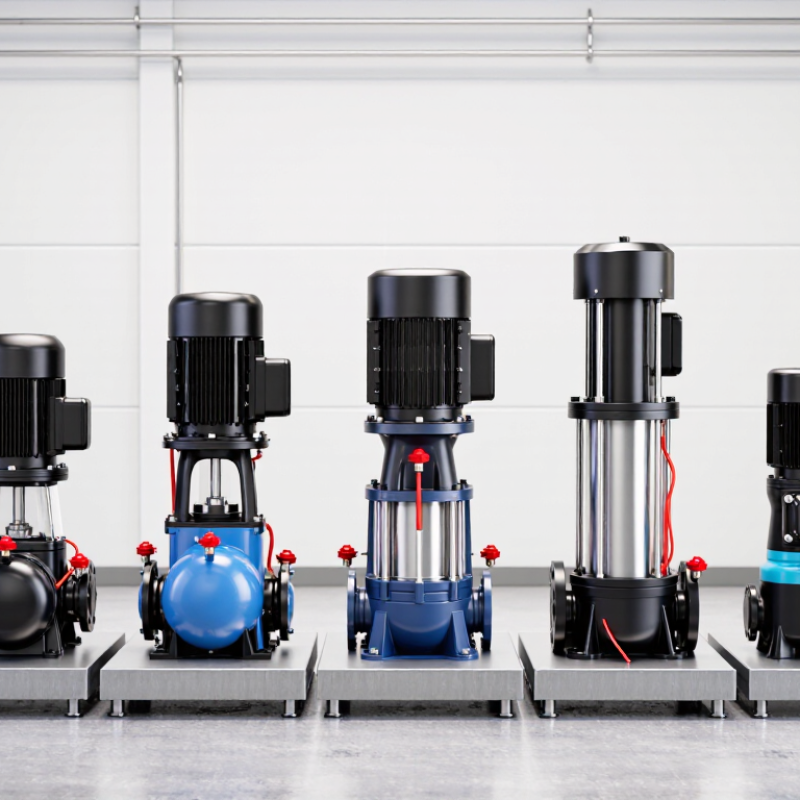
A boiler condensate pump should match the building’s return rate, temperature, and layout—not just its advertised capacity. A compact single-pump receiver suits a small boiler room with steady, modest flow. A duplex unit alternates pumps and adds backup for busy buildings. A larger receiver handles bursts from multiple appliances. High-temperature models suit hot returns; corrosion-resistant wetted parts help where water quality is a concern. Pressurized-return packages fit systems that must push condensate back against existing line pressure. Alarm-equipped packages add a visible warning when a float sticks or a pump fails. Noise matters, too.
Compare seven needs in the actual installation: flow rate, lift, inlet temperature, receiver volume, electrical supply, materials, and service access. A pump that fits on paper may short-cycle when several traps discharge together. Leave room to remove the cover and clean the float. A simple inspection can prevent an expensive surprise.
The U.S. Department of Energy’s Improving Steam System Performance: A Sourcebook for Industry notes that raising boiler feedwater temperature by 10°F can improve boiler efficiency by about 1%. Returning condensate preserves useful heat, so pump reliability affects more than drainage. Still, that figure is a general rule, not a site-specific guarantee; verify operating conditions before sizing. A duplex system may offer welcome redundancy, but it also adds controls and maintenance. That trade-off is easy to overlook.
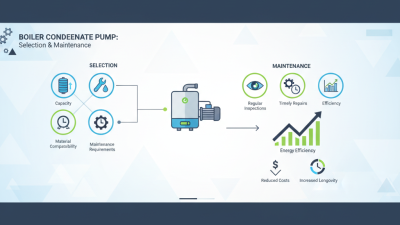
A suitable condensate pump must match the boiler’s output, expected condensate volume, and discharge height. Check the pump’s rated capacity at the actual lift, not just its maximum flow rate. A unit tucked beneath a boiler may need to push water several metres through a narrow pipe. Small details matter. Follow the boiler and pump instructions for temperature limits, pipe size, venting, and any required condensate treatment.
During installation, place the reservoir level and where it can be reached for inspection. Keep discharge tubing secure, with no kinks or unsupported sections that could sag and trap water. Switch off power before servicing, and have electrical connections and any code-related work handled by a qualified technician. A rushed replacement can leave a hidden leak behind the boiler. I have seen that become a much bigger nuisance than the pump itself.
Routine checks catch many problems early. Look for scale or sludge in the reservoir, a sticking float, damp fittings, and unusual starts or stops. Test the pump using the manufacturer’s procedure, and clear the inlet and discharge line when needed. Keep it accessible. Replace a pump that repeatedly fails, leaks from its casing, or cannot keep up with normal operation. Match the replacement’s capacity, lift rating, connection size, and safety features to the system; similar-looking pumps are not always interchangeable.