2026 Best Wastewater Flocculants for Effective Water Treatment?
In the ever-evolving arena of water treatment, selecting the right Wastewater Flocculant is crucial. Effective flocculants aid in the removal of suspended solids and enhance water quality. They play a vital role in industries ranging from municipal treatment plants to food production. The choice of a wastewater flocculant can directly impact operational efficiency and cost-effectiveness.
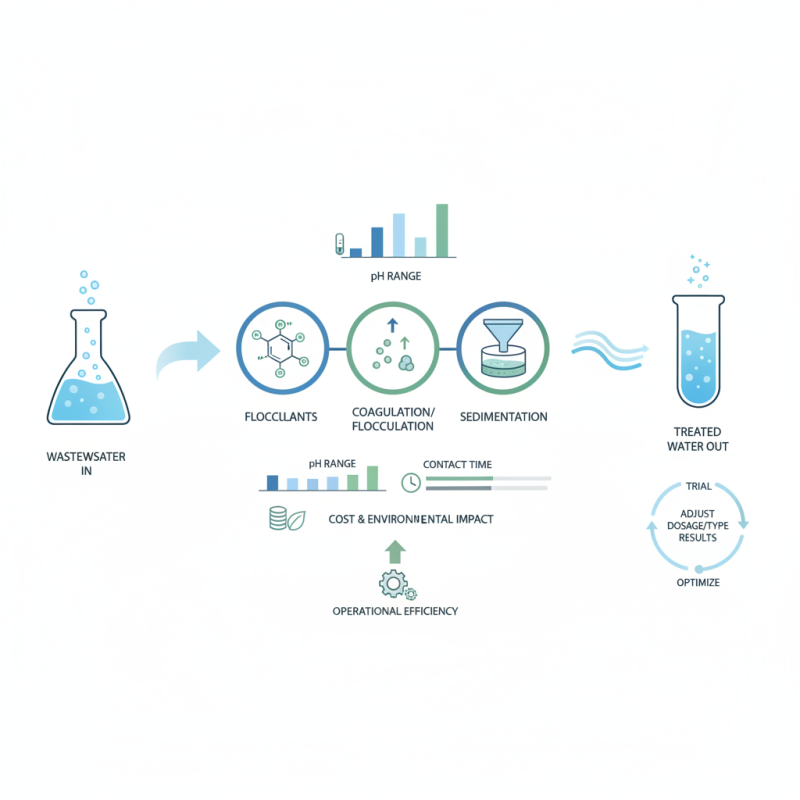
Different flocculants carry unique properties and effectiveness levels. Some perform well in specific pH ranges, while others excel in diverse conditions. It's essential to examine factors such as dosage, contact time, and overall environmental impact. Finding the right balance can be challenging.
Reflecting on implementation experiences, users may encounter suboptimal results when expectations do not align with reality. Adjusting dosages or flocculant types frequently leads to trial and error. However, this process often unveils alternatives that could prove more effective in achieving desired outcomes. Delving into 2026's best options will provide insights into enhancing water treatment practices with innovative wastewater flocculants.
2026 Trends in Wastewater Flocculants for Enhanced Water Treatment
The wastewater treatment industry is evolving. In 2026, flocculants will play a crucial role. A report by the Water Environment Federation noted that more than 85% of global water treatment facilities use flocculants. This chemical aid enhances the removal of suspended solids in water effectively.
Trends show an increasing interest in bio-based flocculants. These are derived from natural sources. A study revealed that bio-based flocculants could reduce reliance on synthetic, non-biodegradable options. This shift aligns with sustainability goals. However, the performance of bio-based products often varies significantly. Research suggests they may not always provide the same efficiency under all conditions.
Emerging technologies will also influence flocculant development. Innovations in smart sensors can optimize dosage in real-time. An industry report highlighted that this could improve treatment processes by up to 30%. Yet, the initial cost of implementing such technologies can be a barrier. Companies must weigh costs against potential benefits. Balancing financial constraints with environmental responsibilities remains a pressing challenge.
Comparative Analysis of Synthetic vs. Natural Flocculants in 2026
The choice between synthetic and natural flocculants is critical in wastewater treatment. Synthetic flocculants often excel in performance. Their consistency allows for predictable results, which is crucial in large-scale operations. They typically function well in a variety of conditions. For instance, polyacrylamide is effective across various wastewater types. However, synthetic options come with environmental concerns. They may leave behind microplastics, which can be harmful to aquatic ecosystems.
On the other hand, natural flocculants, derived from sources like plants and algae, offer a more eco-friendly alternative. They are biodegradable and have minimal negative impact on the environment. However, their performance can be variable. The efficiency of natural flocculants often depends on specific conditions. For example, the effectiveness of chitosan can change with pH levels. This inconsistency can be a challenge for treatment facilities.
Both options have their pros and cons. While synthetic flocculants provide high performance, natural alternatives promise sustainability. Decision-makers must weigh efficiency against environmental impact. It’s vital to consider local conditions and regulatory standards when choosing flocculants. This balance is not easy and requires ongoing reflection and adaptation. As water treatment needs evolve, the exploration of innovative solutions remains essential.
Key Performance Metrics for Selecting the Best Flocculants
When selecting the best wastewater flocculants for effective water treatment, performance metrics play a crucial role. Look for flocculants that excel in sedimentation rates. This means they should facilitate faster settling of solids. Efficiency in this area leads to clearer water more quickly.
Another important metric is the dosage required for optimal performance. A flocculant that works effectively at lower concentrations is ideal. It can reduce costs and minimize chemical footprints. Take note of environmental impacts. Flocculants should not introduce harmful substances into the water system.
Tips: Always conduct jar tests. This practice helps in evaluating how well a specific flocculant performs with local water conditions. Pay attention to the pH and turbidity levels in your wastewater. It can significantly affect flocculant performance.
Finally, consider the flocculation mechanism. Some flocculants work better in specific conditions. An understanding of the type of particles in your wastewater will guide your choice. Monitor how different flocculants perform and remain open to adjustments. Testing is vital for achieving optimal results.
2026 Best Wastewater Flocculants for Effective Water Treatment
| Flocculant Type | Molecular Weight (Million Da) | Charge Density | Effective pH Range | Dosage (ppm) | Sedimentation Rate (mm/min) |
| Polyacrylamide | 12-15 | High | 6-8 | 20-100 | 10-15 |
| Natural Polymers | Varies | Low to Moderate | 7-9 | 50-200 | 5-10 |
| Alum | Varies | Low | 6-8 | 10-50 | 15-20 |
| Ferric Chloride | Varies | Moderate | 5-7 | 20-100 | 20-25 |
| Polyethyleneimines | 0.5-1.5 | High | 6-11 | 10-70 | 10-20 |
Environmental Impact and Regulatory Compliance of 2026 Flocculants
The environmental impact of wastewater flocculants is a growing concern. In 2026, scrutiny over their use is increasing. Many flocculants can help in removing contaminants effectively. However, they can also introduce toxic substances into ecosystems if not managed carefully.
Data from the Global Water Intelligence report indicates that 40% of flocculants currently in use may contain environmentally harmful components. This highlights the importance of selecting flocculants that comply with regulations. Regulatory guidelines are evolving, and companies must stay alert to avoid non-compliance.
Non-compliance could lead to hefty fines and damage a company's reputation.
Recent studies suggest that biodegradable flocculants are becoming more popular. They reduce the long-term environmental footprint. Yet, they often lack the same efficiency as traditional options. This trade-off requires careful evaluation by water treatment facilities. There is a need for ongoing research and development. Flocculant choice must balance effectiveness with environmental safety.
Cost-Effectiveness of Leading Flocculants in Wastewater Treatment Processes
Effective wastewater treatment relies heavily on the proper use of flocculants. These agents support the aggregation of particles, ensuring efficient removal from water. A recent industry report suggests that the global demand for flocculants is projected to reach 4.9 million metric tons by 2026. This growth is attributed to escalating concerns about clean water access and stricter regulatory standards.
While evaluating cost-effectiveness, the average price of flocculants varies. For instance, a report highlights that some conventional flocculants can cost as low as $1.50 per kilogram. However, newer alternatives might exceed $3.00 per kilogram. This price difference is crucial when selecting flocculants for large-scale treatment plants. The decision may impact operational budgets significantly.
It’s worth noting that not all flocculants are effective for every type of wastewater. Their performance can differ based on water chemistry and contaminants present. In some cases, costly flocculants do not guarantee better outcomes. This brings into question the true value derived from higher price points. Ongoing research is necessary to identify more efficient and sustainable options. Balancing effectiveness with cost remains an ongoing challenge in treatment processes.
2026 Best Wastewater Flocculants for Effective Water Treatment
This chart illustrates the cost-effectiveness of leading flocculants used in wastewater treatment processes in 2026. The data showcases the price per kilogram and the efficiency percentage in removing contaminants for various flocculants.