10 Boiler Water Treatment Tips for Global Buyers
For global buyers, boiler water treatment is not a routine purchasing detail. It is a protection strategy for tubes, valves, feed pumps, and production schedules. A clear sample bottle can still hide dissolved oxygen, silica, hardness, or aggressive chlorides. Small chemical mistakes may create scale inside a hot boiler. That damage is expensive.
Frank N. Kemmer, editor of The Nalco Water Handbook, described water treatment as “both a science and an art.” This principle remains useful for international procurement teams. Chemistry provides limits and testing methods. Experience explains how local water sources, operating pressure, load changes, and maintenance habits affect those limits. The same treatment program cannot serve every plant. That assumption is often wrong.
This guide presents ten practical boiler water treatment tips for global buyers. It considers pretreatment equipment, chemical selection, sampling frequency, condensate quality, and supplier documentation. Buyers should request recent test data, safety information, installation requirements, and evidence of technical support. A product label alone is not enough. Ask how the supplier controls dosage. Ask what happens when feedwater quality changes.
Look closely at the details. A hardness leak can begin quietly. A poorly adjusted deaerator may leave oxygen in the system. An overlooked conductivity reading can signal rising contamination. These issues need trained operators and consistent records. No checklist replaces judgment. Still, a disciplined checklist reduces preventable errors and supports safer, more efficient boiler operation across different markets.
Understanding Boiler Water Quality and Treatment Requirements
Boiler Water Quality and Treatment Requirements for Global Buyers
Boiler water quality directly affects safety, efficiency, and equipment service life. A clear sample can still be chemically aggressive. Measure pH, hardness, alkalinity, conductivity, chloride, silica, and dissolved oxygen before selecting treatment equipment. Test feedwater, condensate, and boiler water separately. They behave differently.
Control hardness first. Even small calcium deposits can insulate heat-transfer surfaces and increase fuel use. Use softening, demineralization, or approved membrane treatment when analysis requires it. Maintain suitable pH and alkalinity for the boiler pressure and metallurgy. Too little protection may cause corrosion. Too much may create foaming or carryover. Monitor conductivity and schedule blowdown according to actual readings, not guesswork. Check oxygen control, because oxygen pitting can form beneath ordinary-looking water.
Treatment chemicals need controlled dosing and regular verification. Phosphate, sulfite, or other programs should match the water analysis and operating conditions. Store chemicals safely, with clear labels and secondary containment. Keep sampling points accessible near the feedwater line and boiler outlet. Record test results, dosing changes, blowdown rates, and unusual odors or color. Requirements vary by country, pressure class, fuel system, and discharge rules, so buyers should request local engineering review before installation. A universal recipe rarely works. Even experienced operators can over-treat when testing equipment is poorly calibrated. Have qualified personnel verify calibration and adjust the program gradually.
Testing Source Water and Identifying Key Contaminants
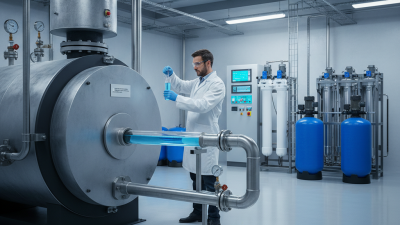
Before selecting a boiler treatment program, test the water entering the plant. Source water can change after rain, drought, construction, or seasonal demand. Draw samples from the actual intake, not a storage-room tap. Let the line run for several minutes. Use a clean, sealed bottle. Record the date, temperature, location, and operating conditions. These details make later comparisons more useful. A single sample can mislead.
Measure pH, hardness, alkalinity, conductivity, total dissolved solids, chloride, sulfate, silica, iron, and copper. Hardness forms scale on heat-transfer surfaces. Chloride can increase corrosion risk when concentration cycles rise. Silica may create stubborn deposits that resist ordinary cleaning. Iron and copper often signal corrosion upstream. Oil, suspended solids, and biological growth also deserve attention. Test the source.
Do not rely only on a handheld meter. Calibrate instruments, check reagents, and confirm unusual results with an independent laboratory. Small errors matter. I have seen buyers compare treatment costs before confirming contaminant levels. That approach can cause overdosing, wasted water, or unstable boiler chemistry. Build a baseline from samples collected across several months. Compare laboratory results with feedwater and blowdown readings. Keep sampling records when water crosses borders. Testing is not a one-time purchase decision. It is an operating discipline. Yet even careful programs need review. A precise result means little if the sample was poorly collected.
Selecting Chemicals, Equipment, and Treatment Methods
10 Boiler Water Treatment Tips for Global Buyers
Selecting chemicals, equipment, and treatment methods requires more than comparing prices.
Tip 1
Test feedwater hardness, alkalinity, silica, iron, and dissolved oxygen.
Tip 2
Match chemical formulas with boiler pressure, metallurgy, and operating temperature.
Tip 3
Request current safety data sheets and verify local chemical regulations before shipment.
Tip 4
Avoid overdosing phosphate or oxygen scavenger.
Excess treatment can increase sludge and operating costs.
Tip 5
Select dosing pumps with adjustable flow, corrosion-resistant wetted parts, and reliable calibration.
Tip 6
Use conductivity meters, pH sensors, and blowdown controls that suit site conditions.
A cheap sensor can become expensive.
Tip 7
Check whether the water softener, demineralizer, or reverse-osmosis unit handles seasonal feedwater changes.
Tip 8
Provide sampling points before and after treatment equipment.
Operators need clear readings, not assumptions.
Tip 9
Choose a treatment method that local technicians can maintain, including membrane cleaning and pump inspection.
Tip 10
Require commissioning support, operating instructions, and training records from the supplier.
Experienced engineers should review chemical compatibility with seals, tubes, and condensate-return systems.
Keep laboratory results, dosing adjustments, and boiler inspections in one accessible log.
I have seen stable systems drift after a neglected calibration. That detail matters.
Treatment targets should follow applicable standards, equipment manuals, and professional water-quality advice.
A method that works in one country may fail after fuel, feedwater, or staffing changes.
Review it regularly.
Managing Corrosion, Scaling, Blowdown, and Feedwater Control
Global buyers should treat boiler water as a control system, not a maintenance afterthought. Corrosion, scaling, blowdown, and feedwater quality interact every operating hour.
Test feedwater hardness before commissioning.
Measure pH, conductivity, dissolved oxygen, and alkalinity regularly. Install softening or demineralization when hardness threatens heat-transfer surfaces. Keep oxygen low through deaeration and suitable chemical control. Inspect condensate return for iron, copper, and oil contamination. Small changes often reveal larger failures.
The U.S. Department of Energy reports that boiler blowdown can waste roughly 1–3% of steam production when poorly controlled. Use conductivity-based automatic blowdown, but verify the sensor manually. Excessive blowdown wastes heat, water, and treatment chemicals. Insufficient blowdown concentrates dissolved solids and encourages carryover. Set limits according to boiler pressure and local water chemistry. ASME guidance also emphasizes documented feedwater and boiler-water control limits. Record every adjustment.
Scale looks harmless at first. It can behave like insulation around tubes. Corrosion may remain invisible until leaks appear. Use regular deposit analysis and ultrasonic thickness checks. Do not copy another site’s chemical dosage. It may be wrong for your makeup water. A practical weakness is relying on one laboratory result. Trends matter more than isolated readings. Perfect control is unrealistic, but disciplined records make imperfect systems safer.
Verifying Performance, Compliance, Maintenance, and Supplier Support
For global buyers, boiler water treatment is a performance contract, not merely a chemical purchase. The International Energy Agency reported that industry consumed about 37% of global final energy in 2022. Small efficiency losses can become expensive. The U.S. Department of Energy’s steam guidance identifies 10–20% energy-saving potential in many steam systems through operational improvements. Ask for baseline data, including conductivity, pH, dissolved oxygen, blowdown rate, fuel use, and condensate return.
Verify results under real operating conditions. A supplier should provide test methods, calibration records, safety data, and performance limits. Check alignment with applicable boiler codes, discharge rules, worker-safety requirements, and water-quality standards in each destination market. ISO-based quality procedures can strengthen traceability, but certification alone proves little. Independent laboratory testing is still valuable. A spreadsheet is not enough.
Maintenance support often determines actual performance. Require written inspection intervals, alarm thresholds, spare-part availability, technician response times, and operator training. One failed conductivity probe can trigger excessive blowdown, waste heat, and increase chemical consumption within hours. Field conditions are rarely perfect. Feedwater quality changes, operators make mistakes, and sensors drift. Buyers should request commissioning records and a three-month review after installation. The International Association for the Properties of Water and Steam emphasizes disciplined monitoring because corrosion and deposits may develop before visible failure. Some purchasing decisions still focus too heavily on initial price. That is a costly blind spot.