China’s pump industry includes manufacturers serving water treatment, building services, irrigation, and industrial processes. Vertical centrifugal pump designs can save floor space and suit installations where water must move from a sump or tank. But the label alone says little about performance. Flow rate, total head, liquid temperature, materials, and operating conditions all matter.
A dependable comparison looks beyond catalog photos. Check published pump curves, motor details, material options, testing procedures, and available technical support. Ask how a supplier verifies performance and handles custom requirements. Small details count: stainless-steel grade, seal arrangement, bearing design, and access for maintenance can affect service life. They matter on site.
This guide to China’s top 10 vertical centrifugal pump manufacturers is intended as a practical starting point, not a universal ranking. The best fit depends on the application, budget, required certifications, and delivery expectations. Some suppliers may offer broad product ranges; others may focus on particular industries or configurations. No list is perfect. Company information and product lines can change, so verify current specifications directly with each manufacturer. Compare like with like, and request documentation for the exact model under consideration. A careful shortlist can reduce surprises, though it cannot replace proper system design. Real installations are rarely as tidy as brochures suggest.
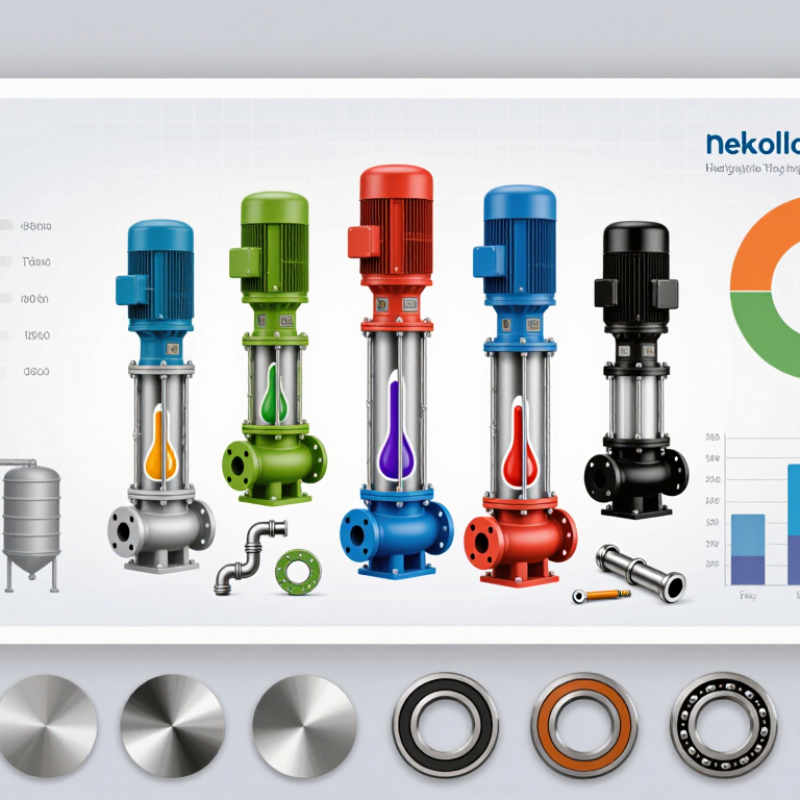
Vertical centrifugal pumps move liquid through an impeller mounted above or within a vertical shaft assembly. Their compact floor footprint suits tanks, sumps, and process areas where horizontal space is limited. The motor drives the shaft, while the impeller adds velocity and pressure to the liquid. In many designs, the pump’s submerged bowl assembly helps lift liquid from below the mounting plate. Installation depth and liquid level matter. A poor match can cause vibration, reduced flow, or premature wear.
Operating conditions shape pump selection. Check the required flow, total head, liquid temperature, and fluid properties before comparing models. Pay attention to shaft alignment, bearing lubrication, and whether the liquid contains solids. A pump may meet its rated duty on paper yet perform poorly if the system curve changes. That detail is easy to overlook. Regularly inspect vibration, noise, seal condition, and motor current; small changes can signal developing problems. I would not assume one inspection schedule fits every installation.
Tips: Keep the inlet submerged as specified, and avoid running the pump dry. Confirm the foundation is level before installation. Record operating readings after commissioning, then compare them during routine checks. If measurements conflict with expectations, review the installation and system conditions before blaming the pump.
Choosing among China’s vertical centrifugal pump manufacturers requires more than comparing catalog prices. Start with the operating conditions: liquid composition, temperature, flow rate, total head, and installation depth. Ask for a pump curve tied to your actual duty point, not just a headline capacity. Small differences matter. A unit selected too close to its limit may run noisily, draw excess power, or wear faster.
Check how the supplier verifies performance. Request recent test records, material specifications, and details of the inspection process. If possible, review the test setup or arrange an independent inspection. Look closely at wetted parts, shaft sealing, bearing support, and motor protection. A polished brochure is not proof. Clear answers are. Still, paperwork alone cannot show how the pump behaves after months of operation.
Assess engineering support and communication before placing an order. Can the team explain changes for abrasive fluids, frequent starts, or limited floor space? Ask about spare-part availability, maintenance instructions, and response times. Compare quotations line by line, including motor ratings, accessories, packaging, and test scope. Some buyers focus too heavily on price; I would question that habit. A lower initial cost may be reasonable, but only when the performance data and service plan are equally clear.
Suggested evaluation weights for comparing manufacturers. These are decision-making priorities, not measured scores or rankings of specific companies.
How to use: Score each supplier against these criteria, then apply the suggested weights to compare overall fit. Verify performance claims, test records, material specifications, and service commitments for your actual operating conditions.
Comparing China’s top vertical centrifugal pump manufacturers starts with the duty, not the catalogue. These pumps may serve cooling-water systems, process lines, or deep sumps, where installation space and liquid conditions differ. A suitable supplier should explain how flow, head, temperature, and liquid properties affect pump selection. Ask for a performance curve matching your operating point, not just a headline capacity.
Look beyond quoted price. Review material specifications, motor details, shaft and bowl design, seal options, and documented inspection procedures. If possible, request test data for flow, pressure, and vibration, then compare it with the stated acceptance criteria. Details matter. Also check whether drawings show the baseplate, discharge connection, and maintenance clearance; small omissions can cause delays during installation. Ask for evidence.
A “top 10” list is a starting point, not a verified ranking. Manufacturing capability can vary between product lines, and a polished brochure cannot replace project references or clear technical answers. Discuss expected operating hours, spare-part availability, and service response before ordering. No checklist catches everything; even a convincing test report may not reflect your actual site conditions. Confirm critical requirements with an engineer familiar with the application.
When comparing vertical centrifugal pump manufacturers, start with the actual duty point, not the catalogue headline. Check flow rate, total head, liquid temperature, and the available installation space. A long-shaft sump design may suit a deep wet well, while an inline vertical pump can fit a compact plant room. Product range matters. So does the ability to configure materials, seals, and impellers for the liquid being handled.
Manufacturing capability is harder to judge from a brochure. Ask how the supplier verifies hydraulic performance, balances rotating components, and tests the assembled unit. Request drawings, material details, and a clearly stated operating range. For corrosive or abrasive service, confirm that wetted parts match the fluid and expected solids. A polished test sheet helps, but it cannot replace a site-specific review. I would still check the assumptions behind it.
Industries served can indicate useful experience, though a long customer list alone proves little. Water treatment, building services, power generation, and chemical processing each impose different demands on uptime, maintenance access, and fluid compatibility. Compare the manufacturer’s support for commissioning, spare parts, and troubleshooting, especially where downtime carries a high cost. Ask for a reference application with similar operating conditions. Details matter. A technically capable supplier may still be a poor fit if delivery, documentation, or local service falls short.
Selecting a Chinese vertical centrifugal pump supplier starts with your operating conditions, not a catalog image. Share the required flow, total head, liquid temperature, solids content, and daily operating hours. Ask for a pump curve showing the proposed duty point. It should sit near the best-efficiency region, not at the curve’s edge. Small details matter.
The U.S. Department of Energy’s Improving Pumping System Performance sourcebook estimates that pumping systems use nearly 20% of global electricity demand. It also reports they can account for 25–50% of energy use in some industrial operations. Those figures make efficiency claims worth checking. Request the tested efficiency, motor data, and a factory performance report; ISO 9906 provides a recognized framework for pump acceptance testing. A polished brochure is not evidence.
Check whether the supplier can explain material choices, shaft-seal limits, and minimum submergence for your installation. Request drawings, a bill of materials, test records, and spare-parts lead times before placing an order. If the pump handles corrosive liquid, ask for documented compatibility rather than a verbal assurance. Compare warranty terms and response times in writing. One point is easy to miss: a low purchase price may hide higher energy or maintenance costs. Still, forecasts are imperfect; confirm assumptions against your actual operating schedule.
Supplier evaluation checklist—not a manufacturer ranking. The suggested weights total 100% and should be adjusted to match the application, project specification, and purchasing priorities.
| Evaluation Dimension | What to Specify or Verify | Evidence to Request | Suggested Weight |
|---|---|---|---|
| 1. Application and duty-point understanding | Confirm required flow rate, total head, liquid properties, operating temperature, installation arrangement, and expected operating hours. The pump should be selected for the stated duty, not by connection size alone. | Written selection sheet showing the duty point and stated assumptions; clarification of any missing or conflicting process data. | 15% |
| 2. Hydraulic performance | Check the proposed flow and head against the submitted performance curve. Review efficiency, power demand, and the permitted operating range for the selected model. | Model-specific pump curve and guaranteed performance values, with the test basis and tolerances stated in the quotation or contract. | 15% |
| 3. Vertical configuration and installation fit | Confirm the pump type, mounting arrangement, overall length, column or submergence requirements, foundation interface, discharge orientation, and available installation space. | General arrangement drawing with dimensions, nozzle details, installation requirements, and any required site measurements identified. | 10% |
| 4. Materials and liquid compatibility | Check wetted-part materials against the liquid’s chemistry, temperature, solids content, and corrosion or abrasion risks. Confirm elastomer and seal materials separately where applicable. | Bill of materials identifying material grades for wetted components, seals, and other relevant parts; compatibility assumptions documented. | 10% |
| 5. Motor and electrical requirements | Specify rated power, supply voltage, frequency, phase, enclosure, insulation, starting method, and any hazardous-area or site-specific requirements. Verify motor suitability for the pump load. | Motor datasheet and nameplate details; confirmation of applicable electrical and hazardous-area requirements for the installation. | 10% |
| 6. Quality management and traceability | Assess whether the supplier has documented processes for design control, purchasing, manufacturing, inspection, and nonconformance handling. Verify the scope and validity of any claimed certifications. | Current certificates with their scope and validity, inspection procedures, and sample material or component traceability records. | 10% |
| 7. Testing and inspection | Agree which inspections and tests are required before shipment, including performance testing where specified. Define test conditions, acceptance criteria, witnessing, and reporting in advance. | Inspection and test plan, test procedure, calibrated-instrument records where relevant, and sample or project-specific test reports. | 10% |
| 8. Reliability, maintenance, and spare parts | Review access for routine maintenance, recommended inspection intervals, wear-part availability, and the identification of critical spare parts. | Maintenance instructions, recommended spare-parts list, parts identification information, and written availability or lead-time commitments. | 8% |
| 9. Delivery, documentation, and communication | Confirm manufacturing and delivery schedules, packing requirements, export documentation, drawing approval stages, and the process for handling technical changes. | Project schedule, document register, packing and shipping plan, and named technical and commercial points of contact. | 6% |
| 10. Warranty and commercial terms | Compare warranty coverage, exclusions, start date, remedies, payment terms, Incoterms, and the responsibilities of each party. Ensure the contract identifies the exact supplied configuration. | Written quotation and draft contract with warranty terms, scope of supply, exclusions, delivery terms, and agreed technical attachments. | 6% |
| Total suggested evaluation weight | 100% | ||