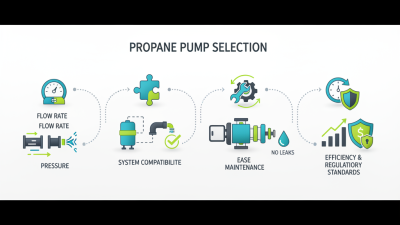
Choosing a reliable impeller pump manufacturer in China requires more than comparing prices or browsing polished websites. Global buyers need evidence from real factories, tested equipment, and dependable service teams. This guide introduces ten leading Chinese manufacturers serving industrial, municipal, agricultural, and commercial markets. Each company should be examined through measurable details, including flow rate, head pressure, impeller diameter, motor efficiency, material quality, and delivery performance.
Dr. Lev Nelik, a recognized pump consultant and author, has emphasized, “Pump performance must be judged within the system, not on paper alone.” This principle matters when selecting an impeller pump for a chemical plant, irrigation line, or wastewater station. A pump may show excellent laboratory figures yet struggle with high viscosity, suspended solids, poor suction conditions, or frequent voltage changes. Small details matter. Seal design matters. So does NPSH.
The manufacturers discussed here are assessed through practical indicators, such as ISO 9001 systems, factory testing, technical documentation, export experience, customization capability, and after-sales support. Buyers should request performance curves, material certificates, test reports, spare-parts lists, and references from comparable installations. A ranking is useful, but never perfect. Published specifications can be incomplete, and supplier claims still require verification. Factory audits and sample testing remain valuable.
This overview is designed for engineers, distributors, contractors, and procurement teams seeking a dependable impeller pump partner. It does not replace application-specific engineering. That is worth remembering.
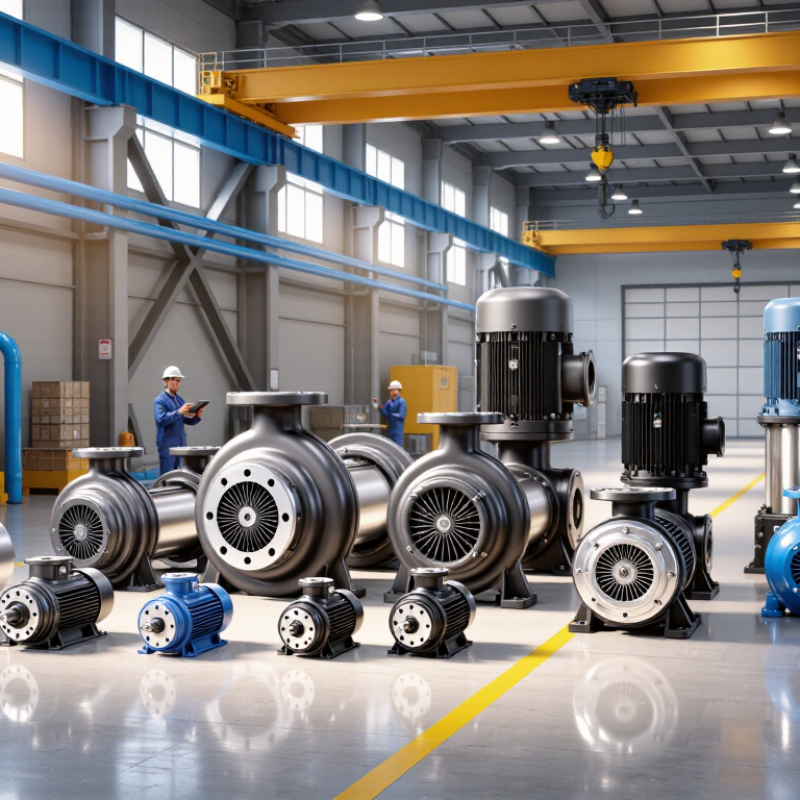
An impeller pump moves liquid by converting motor power into fluid motion. Its central component, the impeller, contains curved blades inside a casing. When the motor turns the impeller, liquid enters near the center, called the eye. Centrifugal force pushes the liquid outward at higher velocity.
The casing then guides this fast-moving liquid toward the discharge outlet. Its shape slows the flow and changes velocity into pressure. A suction pipe supplies liquid to the pump, while seals help prevent leakage around the rotating shaft. Most common models need proper priming before operation. Running one dry can quickly damage seals and internal surfaces.
In practical installations, performance depends on impeller diameter, rotation speed, liquid viscosity, and system resistance. Field checks should include unusual vibration, rising bearing temperature, and reduced flow. These signs may indicate cavitation, blockage, air entry, or incorrect alignment. I have found that many failures begin with small installation errors, not poor pump design. This is easy to overlook. Buyers should compare the required flow and head with the complete system curve, rather than trusting a single catalog number. Impeller pumps work efficiently with clean, low-viscosity liquids, but abrasive solids may wear the blades faster. Careful material selection still matters, even when the pump appears oversized.
An impeller pump uses a rotating impeller to transfer mechanical energy to a fluid. For a centrifugal pump with a constant impeller diameter, the affinity laws indicate that flow varies directly with speed, head varies with the square of speed, and power varies with the cube of speed.
The chart uses normalized values based on a reference speed of 1.0. Increasing pump speed can significantly increase pressure head and power demand, so motor capacity, system pressure limits, and cavitation risk must be evaluated before changing operating speed.
Ranking China’s top impeller pump manufacturers requires more than comparing catalog prices. A reliable assessment starts with operating experience, product consistency, and verified factory capabilities. I would examine impeller balance, shaft alignment, casing strength, and sealing performance under continuous operation. These details often reveal more than polished brochures. Short records matter.
Technical expertise should be measured through testing procedures and engineering support. Strong manufacturers provide flow-rate curves, head data, material specifications, and clear tolerance records. Independent performance tests add credibility, especially when pumps serve chemical processing, water treatment, mining, or marine applications. However, test results must match real installation conditions. A laboratory figure is not always a field result.
The ranking should also consider quality systems, traceable components, export documentation, and after-sales response. Buyers need evidence of inspections, spare-part availability, packing standards, and installation guidance. Factory audits and customer references can confirm whether these claims are dependable. Delivery consistency deserves attention too. A low price means little if replacement parts arrive late or technical replies remain vague. I would also review customization ability, energy consumption, maintenance intervals, and warranty handling. No evaluation is perfect; supplier websites may omit weaknesses, while customer feedback can be incomplete. A fair ranking should record both strengths and unresolved concerns.
China’s impeller pump sector serves water treatment, mining, chemicals, agriculture, and building services. Grand View Research’s 2024 industry assessment values the global industrial pump market at more than USD 60 billion, with steady growth expected through the decade. UN Comtrade data also places China among the leading exporters of machinery and fluid-handling equipment. These figures explain the strong buyer interest, but they do not replace factory-level verification.
The ten manufacturers profiled here represent different strengths. Several focus on stainless-steel centrifugal pumps for corrosive liquids. Others build cast-iron units for drainage, irrigation, and municipal networks. Some maintain automated machining lines, hydraulic test benches, and ISO 9001 quality systems. A few offer impeller balancing records, material certificates, and performance curves before shipment. That matters. A pump may look impressive in a catalog yet lose efficiency under actual head and flow conditions.
Export-oriented producers usually support 50 Hz and 60 Hz systems, multiple voltage standards, and customized flange dimensions. Their experience with CE documentation and international packing can reduce installation problems. Still, buyers should inspect test data, seal materials, NPSH values, and spare-parts availability. I would question any claimed efficiency without a witnessed test. In my experience, small details matter: a wrongly selected seal can stop a wastewater line within weeks. Factory visits, sample inspections, and independent testing remain sensible, even when the supplier communicates professionally.
For global buyers, impeller pump selection should begin with verified operating data, not catalogue claims. Start with duty point. Flow, head, liquid temperature, viscosity, and solids content determine the suitable hydraulic design. The U.S. Department of Energy reports that pumping systems can consume 25% to 50% of electricity in some industrial facilities. Therefore, hydraulic efficiency deserves close attention.
Compare impeller diameter, vane geometry, wear resistance, and operating efficiency across the expected duty range. A high-efficiency impeller may reduce electricity costs, but only when the pump operates near its best efficiency point.
Check NPSH required against site conditions, especially with hot liquids or long suction lines. ISO 5199 and ISO 2858 provide useful benchmarks for centrifugal pump design and dimensions. They do not replace application testing.
Material selection also affects service life. Stainless steel suits corrosive fluids, while hardened alloys may handle abrasive particles better. Ask for performance curves, factory test records, seal specifications, and vibration limits.
Variable-frequency drive compatibility can improve control and reduce throttling losses. The European Commission’s Energy Efficiency Plan identifies motor-driven systems as a major industrial energy-saving opportunity.
The comparison is not perfect. Field conditions often expose weaknesses hidden by laboratory curves. Impeller balance, bearing temperature, spare-part access, and local maintenance skills need practical review. Small details matter.
Selecting among China’s top ten impeller pump manufacturers requires more than comparing catalog prices. Start with your operating conditions: flow rate, head, liquid temperature, solids content, and daily running hours. A pump sized from incomplete data may consume excess power or fail early.
Ask each manufacturer for performance curves, material specifications, inspection procedures, and tested efficiency figures. Check whether the impeller is cast, machined, or molded for your application. Request a sample inspection report, including vibration, leakage, and pressure results. Factory experience matters. A reliable supplier should explain design limits clearly, not promise every result.
Visit the production site when possible, or arrange a documented remote audit. Look for machining equipment, balancing stations, assembly records, and parts traceability. Confirm production capacity during your expected delivery period. After-sales support also deserves attention. Ask about spare impellers, response times, installation guidance, and warranty handling.
A polished catalog can mislead.
I have seen buyers focus too heavily on unit price. Freight, energy use, replacement parts, and downtime often change the real cost. Compare complete ownership costs over several years. Require clear drawings and written acceptance criteria before ordering. Communication quality is another practical test. If technical questions receive vague answers, future support may become difficult. Some buyers also overlook local service skills, which can delay commissioning. Selecting a manufacturer is therefore a technical and operational decision, not simply a purchasing exercise.
| Rank | Anonymous Manufacturer Profile | Typical Production Focus | Indicative Flow Range | Indicative Head Range | Common Impeller Designs | Suitable Media | Typical Construction Materials | Key Buyer Verification Documents | Best Fit for Global Buyers |
|---|---|---|---|---|---|---|---|---|---|
| 1 | Profile A Large export-oriented manufacturer |
Process pumps Water transfer OEM production | 50–3,000 m³/h | 10–160 m | Closed, semi-open, and vortex impellers | Clean water, mildly abrasive liquids, industrial wastewater | Cast iron, ductile iron, stainless steel 304/316 | ISO 9001 certificate, performance test report, material certificate, dimensional drawing | Large infrastructure projects requiring broad model coverage and export documentation |
| 2 | Profile B Industrial centrifugal-pump specialist |
Chemical transfer Industrial duty Custom metallurgy | 10–1,200 m³/h | 15–150 m | Closed and semi-open impellers | Process liquids, solvents, low-to-medium viscosity fluids | Stainless steel 316, duplex stainless steel, alloy steel | Material traceability, hydrostatic test report, balancing record, seal specification | Buyers needing corrosion resistance and application-specific material selection |
| 3 | Profile C Municipal and wastewater specialist |
Sewage pumps Drainage Submersible systems | 20–2,500 m³/h | 5–90 m | Vortex, channel, cutter, and non-clog impellers | Raw sewage, stormwater, sludge-containing wastewater | Cast iron, stainless steel, elastomers selected for wastewater duty | Solids-passage data, clogging test results, insulation test, ingress-protection rating | Municipal drainage, sewage lifting stations, and flood-control applications |
| 4 | Profile D Mining and slurry-pump specialist |
Slurry pumps Mineral processing Heavy duty | 10–5,000 m³/h | 10–100 m | Open, semi-open, and recessed impellers | Mineral slurry, ash, sand, tailings, abrasive solids | High-chrome alloy, rubber-lined wet-end parts, hardened steel | Wear-rate data, alloy chemistry report, hardness report, spare-parts interchangeability drawing | Mining and dredging buyers prioritizing wear life over compact equipment size |
| 5 | Profile E Agricultural and irrigation manufacturer |
Irrigation Flood control Axial-flow units | 100–12,000 m³/h | 3–45 m | Mixed-flow, axial-flow, and large closed impellers | River water, irrigation water, drainage water | Cast iron, stainless steel, coated carbon steel | Hydraulic performance curve, efficiency test, motor data, coating specification | High-volume, low-to-medium-head water movement |
| 6 | Profile F Compact pump and OEM specialist |
Compact centrifugal pumps OEM assemblies Light industry | 1–250 m³/h | 5–100 m | Closed and semi-open impellers | Clean water, cooling water, light industrial fluids | Stainless steel 304/316, engineered plastics, cast iron | Drawing approval process, sample test report, motor efficiency data, batch inspection plan | Equipment integrators requiring compact dimensions and repeatable production |
| 7 | Profile G Fire and building-services pump specialist |
Fire pumps Booster sets HVAC circulation | 5–1,000 m³/h | 20–250 m | Closed, multistage, and split-case impellers | Clean water and treated water | Cast iron, ductile iron, stainless steel, bronze trim | Certified performance curve, controller documentation, factory test report, applicable local approvals | Commercial buildings, industrial facilities, and packaged water systems |
| 8 | Profile H Marine and corrosion-resistant pump supplier |
Marine service Seawater Bilge systems | 5–800 m³/h | 8–120 m | Closed, semi-open, and bronze-alloy impellers | Seawater, brackish water, bilge water, cooling water | Duplex stainless steel, nickel-aluminum bronze, stainless steel 316 | Saltwater material selection, corrosion test data, coating system, shaft-seal details | Marine, coastal, desalination, and offshore support applications |
| 9 | Profile I Energy and process-equipment manufacturer |
Boiler feed Cooling systems Process circulation | 10–2,000 m³/h | 30–300 m | Multistage and high-speed closed impellers | Feedwater, condensate, cooling water, low-viscosity process liquids | Carbon steel, stainless steel, alloy steel | Pressure test report, vibration data, rotor balance grade, NPSH test information | Energy, utilities, and process plants requiring higher pressure capability |
| 10 | Profile J Customized project-pump manufacturer |
Engineered-to-order Non-standard duty Skid packages | 5–4,000 m³/h | 10–220 m | Custom closed, open, mixed-flow, and vortex impellers | Water, wastewater, slurry, process liquids, and temperature-sensitive fluids | Carbon steel, cast iron, stainless steel, duplex alloys, rubber-lined components | Approved general arrangement drawing, pump selection calculation, factory acceptance test plan, spare-parts list | Projects with unusual duty points, special materials, or integrated pump packages |