7 Tips for Choosing the Right Propane Transfer Pump

Choosing the right propane transfer pump is a safety decision, not merely a purchasing decision. The World LPG Association’s 2024 Statistical Review reports global LPG demand above 300 million metric tonnes annually. That scale reflects a demanding supply chain, from bulk terminals and transport trucks to farm tanks and commercial storage. Every transfer point needs dependable flow, controlled pressure, and equipment suited to propane service.

The U.S. Energy Information Administration’s Short-Term Energy Outlook highlights propane’s strong seasonal demand and significant export activity. These patterns can place extra stress on pumps during cold weather and high-volume loading periods. A suitable propane transfer pump must match the application’s flow rate, motor capacity, vapor-handling needs, and operating environment. It should also support secure hose connections, proper grounding, pressure relief, and routine inspection.

Small details matter.

A pump that looks powerful on paper may perform poorly with long hoses, cold liquid, or frequent starts. A model designed for water or diesel may not provide the required compatibility. NFPA 58, the Liquefied Petroleum Gas Code, emphasizes approved equipment, safe installation, and protection against excessive pressure. However, standards alone cannot replace practical judgment. A checklist can miss the realities of a crowded loading area or a neglected filter.

This guide presents seven practical tips for comparing pump types, materials, power sources, safety features, and maintenance requirements. It also questions common buying assumptions. The lowest price is rarely the lowest operating cost. A careful choice protects workers, reduces downtime, and supports consistent propane handling.
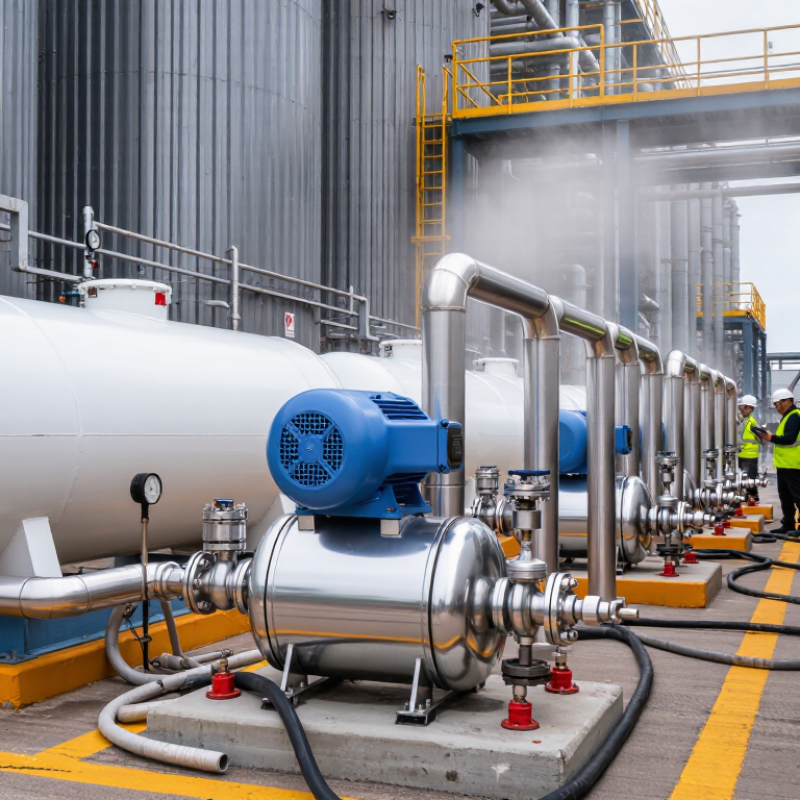
7 Tips for Choosing the Right Propane Transfer Pump

Understand Propane Transfer Pump Types and Their Intended Uses

Choosing the right propane transfer pump starts with understanding pump types and their intended uses. Propane is commonly moved as a liquid, so the pump must be designed for liquefied petroleum gas service. Rotary vane and gear pumps provide steady flow and suit cylinder filling, tank-to-tank transfer, and delivery systems. Centrifugal pumps can support higher flow rates, but they may not fit every pressure requirement.

Match the pump to the job. Check the required flow rate, discharge pressure, transfer distance, and daily operating time. A compact electric pump may suit occasional cylinder service, while a heavy-duty unit is better for frequent transfers. AC and DC models serve different work environments. Confirm that the motor, switches, hoses, seals, and fittings are approved for the installation area.

Safety details matter.

Look for an integrated bypass or relief system. Use hoses rated for propane, secure electrical grounding, and connections that resist leaks. Inspect seals regularly, especially after temperature changes. Maintenance records also reveal whether a pump can handle real working conditions, not just a catalog rating. One common mistake is choosing the highest flow rate available. Faster is not always better; excessive flow can create heat, pressure changes, or difficult control. A careful buyer compares the pump curve with the actual system, then checks local codes and qualified installation requirements before purchase.

Match Pump Flow Rate and Pressure to Your Transfer Requirements

Choosing the right propane transfer pump starts with matching its flow rate to your actual transfer task. A higher flow rate is not always better. It can create pressure surges, excessive vapor formation, or difficult control at the receiving container. Estimate the required gallons per minute, then check the pump’s performance curve under real operating pressure. Do not rely only on the number printed on the carton.

Pressure matters just as much. Add the resistance from hose length, internal diameter, filters, meters, valves, and elevation changes. A long, narrow hose may reduce delivery more than expected. Select a pump that can maintain the required pressure without operating continuously at its limit. Leave a practical margin. Not an extreme one. I have seen transfer setups fail to reach the expected rate because the pump was tested with a short hose, while the field installation used a longer line.

Check seven details before purchase: rated flow, maximum pressure, compatible materials, motor duty cycle, inlet size, safety shutoff features, and certification for propane service. Confirm whether the quoted flow applies to liquid propane and your intended temperature range. Keep connections tight and inspect seals regularly. Use approved equipment, proper bonding, ventilation, and procedures required by local regulations. My own preference is to record pressure and transfer time during the first installation, then review those readings after several uses. Real conditions often expose assumptions that looked reasonable on paper.

7 Tips for Choosing the Right Propane Transfer Pump - Match Pump Flow Rate and Pressure to Your Transfer Requirements

Tip Key Dimension Practical Guidance Typical Planning Data Selection Check
1
Define the required transfer flow rate
Liquid propane flow Choose a pump that meets the required filling or unloading time without creating excessive line velocity or pressure loss. Small cylinder service: approximately 5–20 gal/min
Bulk transfer service: approximately 20–100+ gal/min
Required flow = Tank volume ÷ Desired transfer time. Select a rated operating point close to the calculated flow, rather than relying only on the pump’s maximum rating.
2
Match differential pressure to the system
Pump pressure differential The pump must overcome elevation, hose and pipe friction, meter restrictions, valves, and the receiving tank pressure. Typical transfer differential: about 50–150 psi
Actual values depend on piping layout, temperature, and equipment restrictions
Required differential pressure = Static lift + Friction loss + Equipment loss + Required receiving-side margin.
3
Verify the pump’s vapor-handling capability
NPSH and vapor pressure Propane has a high vapor pressure and can flash if the pump inlet pressure falls too low. Use a flooded suction where possible and keep the suction line short, large, and unobstructed. Required NPSH margin: follow the pump manufacturer’s published value; a positive margin is essential
Avoid restrictive suction strainers and sharp bends near the inlet
Confirm that available NPSH exceeds required NPSH under the highest liquid temperature and lowest tank pressure conditions.
4
Check materials and compatibility
Wetted materials and seals All wetted components, gaskets, hoses, and seals must be suitable for liquefied petroleum gas, the operating temperature, and the design pressure. Common construction choices include carbon steel or stainless steel bodies with LPG-compatible elastomers
Avoid materials that can swell, embrittle, or lose strength in propane service
Review chemical compatibility, minimum and maximum temperature ratings, pressure ratings, and applicable local requirements before purchase.
5
Size the motor and drive correctly
Power, speed, and hazardous-area suitability Motor power must cover the required flow and pressure at the selected operating point. The drive and electrical equipment must be suitable for a flammable-gas environment where required. Hydraulic power estimate: Phyd = Q × ΔP
For water-based units, horsepower ≈ Q(gpm) × ΔP(psi) ÷ 1714 ÷ efficiency; propane service requires confirmation using the actual fluid density and pump efficiency
Select the motor from the pump curve at the real duty point, not at zero flow or maximum flow. Confirm enclosure, grounding, bonding, and area classification requirements.
6
Include pressure protection and bypass control
Relief, bypass, and deadhead protection Positive-displacement pumps can continue building pressure when a discharge valve is closed. A properly sized relief or bypass arrangement is required to protect the pump and piping. Relief settings must not exceed the lowest rated pressure of the pump, hose, valve, meter, or tank connection
Provide a safe return path or approved pressure-control arrangement
Never rely on a closed discharge valve as a control method. Confirm relief discharge routing, set pressure, capacity, inspection, and local code compliance.
7
Plan for safe operation and maintenance
Safety controls and serviceability Use LPG-rated hoses and fittings, minimize leak points, provide emergency shutoff capability, and make seals, strainers, and wear parts accessible for inspection. Ground and bond equipment before transfer
Inspect hoses, couplings, valves, and seals regularly
Keep ignition sources away and provide adequate ventilation
Confirm compliance with applicable pressure-vessel, LPG-transfer, electrical, fire-safety, and workplace regulations before commissioning.
Important: The ranges shown are general planning references, not a substitute for a complete pump curve, system pressure-loss calculation, hazardous-area review, or approval by a qualified LPG-system engineer.

Check Material Compatibility and Safety Certifications

7 Tips for Choosing the Right Propane Transfer Pump

Check Material Compatibility and Safety Certifications

A propane transfer pump must match every material it contacts. Check the pump body, seals, gaskets, hoses, and fittings against propane compatibility data. A single unsuitable seal can swell, crack, or leak under pressure.

Review the fluid safety data sheet and the pump manufacturer’s technical documents. Do not rely on appearance. Confirm the pressure and temperature ratings for your actual operating conditions. Inspect whether the pump supports vapor and liquid service as required. Keep connections clean and protected. Small debris can damage sealing surfaces.

Safety certification matters just as much. Select equipment approved for the intended hazardous location and electrical environment. Verify certification markings through an official testing organization, not only a sales description. Check the motor, switches, wiring, and controls. They should suit flammable-gas service. Grounding and bonding provisions also deserve attention.

A field-style inspection can reveal problems early. Look for worn threads, flattened gaskets, brittle hoses, and missing identification plates. Test emergency shutoff controls before operation. Follow the documented transfer procedure every time. Slow down here.

I would also question vague claims such as “universal compatibility.” They often hide important limits. Ask for written evidence, current certificates, maintenance intervals, and replacement-part specifications. Keep those records available for operators and inspectors. The safest choice is not always the largest pump; it is the one whose materials, certifications, and operating limits clearly fit the job.

Evaluate Power Sources, Portability, and Installation Needs

7 Tips for Choosing the Right Propane Transfer Pump

Evaluate the available power source before comparing pump capacity. An electric model may suit a fixed, ventilated installation with reliable power. A battery-powered pump offers mobility but requires charging discipline and weather protection. Pneumatic options can work where compressed air is already available. Check the manufacturer’s duty cycle, voltage, and current requirements carefully. A larger motor is not always better. It may increase heat, noise, and energy use without improving transfer time.

Portability matters when cylinders are stored in separate locations. Look for balanced handles, stable feet, and manageable weight. Wheels help on smooth floors, but they can become awkward on gravel or narrow platforms. Keep hoses short enough to reduce resistance, yet long enough to prevent sharp bends. I once focused too much on lifting comfort and overlooked hose storage. That mistake made routine work slower.

Installation needs deserve equal attention. Use compatible hoses, fittings, seals, and pressure-rated connections designed for propane service. Provide adequate ventilation, keep ignition sources away, and follow local requirements. Grounding and bonding may be necessary during transfer, depending on the setup. A qualified professional should verify connections before operation. Leave space around the pump for inspection and emergency shutoff access. Small details matter. Review the layout after a trial installation, because practical movement often reveals problems that drawings miss.

7 Tips for Choosing the Right Propane Transfer Pump

This planning chart ranks the main selection factors on a 1–10 priority scale. Safety compatibility, required flow, power availability, portability, installation requirements, environmental protection, and maintenance access should all be checked before selecting a propane transfer pump. Propane service also requires compatible seals, suitable grounding and bonding, adequate ventilation, and equipment approved for the intended hazardous environment.

Compare Maintenance Demands, Durability, and Overall Cost

7 Tips for Choosing the Right Propane Transfer Pump

A suitable propane transfer pump should be judged beyond its purchase price. Check how easily technicians can inspect seals, valves, hoses, and electrical connections. A pump with removable covers and clear service points usually reduces maintenance time. Keep a written service schedule, even when the unit appears reliable. Small leaks or unusual vibration can become expensive problems.

Compare the pump’s construction with your expected workload. Corrosion-resistant materials, protected bearings, and sturdy fittings support longer service in demanding environments. Confirm the duty cycle and flow rate before buying. Oversizing may waste energy, while undersizing can create heat and premature wear. Ask about replacement parts and technical documentation. Delayed parts can cost more than the pump itself.

Calculate total cost over several years. Include energy use, inspections, seals, downtime, training, and disposal of worn components. A lower-cost pump may need frequent attention. That is not always a bad choice for light, occasional work. I have seen buyers focus too heavily on initial price and overlook service labor. It is worth checking noise, vibration, and start-up behavior during a practical test. Real conditions reveal weaknesses that brochures often miss. Do not ignore operator feedback; experienced users notice changes early. Safety controls, grounding provisions, and installation requirements should also match applicable local standards. A careful comparison may take longer, but rushed decisions often create avoidable maintenance costs.