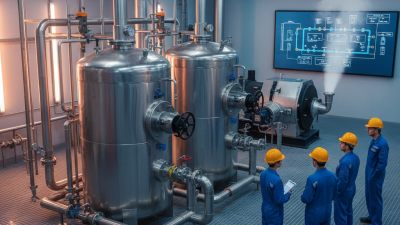
How to Maintain a Boiler Feed Tank Effectively?
The maintenance of a boiler feed tank is crucial for efficient boiler operation. Industry reports reveal that poor maintenance can lead to energy losses of up to 30%. This inefficiency not only increases operational costs but also affects overall productivity. According to John Smith, a leading expert in boiler systems, "Proper upkeep of a boiler feed tank can save both time and money in the long run."
Monitoring water quality in the tank is vital. Contaminants can cause corrosion, impacting the system's longevity. Regular inspections are essential to identify issues early. Implementing a maintenance schedule can prevent major breakdowns. However, many facilities overlook this step. A study found that only 40% of operators maintain proper schedules for their boiler feed tanks.
Moreover, training staff on proper handling procedures is often inadequate. Without knowledgeable personnel, maintenance lapses can occur. Establishing a dedicated team for this task can improve performance. Overall, maintaining a boiler feed tank effectively is a complex but necessary endeavor. Each component must be monitored closely to ensure reliability and efficiency in operations.
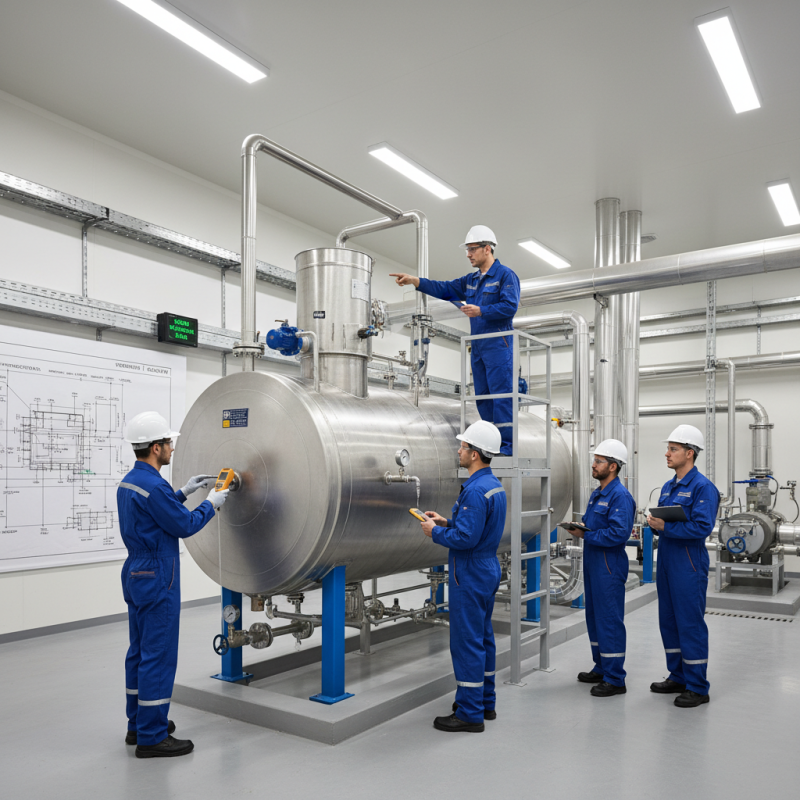
Understanding the Role of a Boiler Feed Tank in Steam Systems
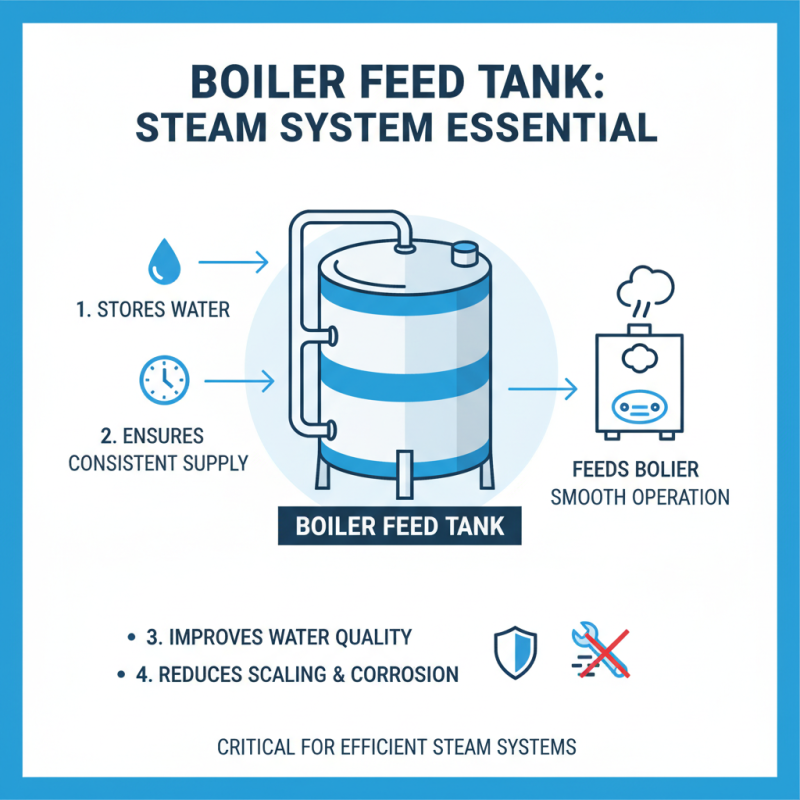
A boiler feed tank plays a critical role in steam systems. It stores water to be fed into the boiler. Consistent water supply ensures smooth operation. The tank also helps maintain water quality, reducing scaling and corrosion.
Regular monitoring is necessary. Check water levels daily to avoid pump damage. Maintain proper temperature to prevent condensation. Dead spots can form in tanks if not cleaned regularly. These affect water quality. A poorly maintained tank can lead to steam system inefficiency.
Incorporate regular inspections into your maintenance plan. Look for leaks and scale buildup. These small details can save time and money. Ensure your workforce understands the tank’s importance. Every component plays a part in the larger system. A neglected feed tank can lead to broader issues. Strive for a proactive approach in maintenance practices.
Routine Inspection: Key Steps for Boiler Feed Tank Maintenance
Routine inspections are vital for maintaining a boiler feed tank. Regular checks ensure optimal performance and prevent costly breakdowns. Industry reports indicate that poorly maintained feed tanks can lead to efficiency losses of up to 25%. This highlights the importance of consistent monitoring.
Inspect the tank for leaks and corrosion. Check the condition of insulation and overall structural integrity. Regularly measuring water levels can help identify issues before they escalate. Small leaks can lead to significant water loss and increased operational costs.
Tip: Schedule weekly visual inspections. Look for signs of wear and tear. Ensure that all connections and valves function properly. Inadequate attention to these areas can lead to unexpected failures.
Consider water treatment systems as part of your maintenance strategy. Contaminated water can lead to scaling, which reduces efficiency. A report from the Boiler and Pressure Vessel Safety Board shows that 80% of boiler problems originate from untreated water.
Tip: Invest in routine chemical analysis of the feed water. This proactive approach will save money and enhance safety in the long run. Regular reactive measures often fall short and can leave systems vulnerable.
How to Maintain a Boiler Feed Tank Effectively? - Routine Inspection: Key Steps for Boiler Feed Tank Maintenance
| Inspection Item |
Frequency |
Action Required |
Notes |
| Water Level |
Daily |
Ensure proper water level is maintained. |
Adjust feed water as necessary. |
| Temperature |
Weekly |
Check and record temperature. |
Look for anomalies. |
| Pump Functionality |
Bi-weekly |
Test pumps for operational efficiency. |
Inspect for leaks or defects. |
| Filter Condition |
Monthly |
Clean or replace filters as needed. |
Prevent clogging and maintain flow. |
| Control Panel Status |
Monthly |
Inspect indicators and controls. |
Ensure everything is functional. |
| General Cleanliness |
Quarterly |
Clean surrounding area to prevent debris. |
Enhance safety and efficiency. |
Cleaning Procedures for Boiler Feed Tank Optimization
Cleaning a boiler feed tank is essential for efficiency. Regular maintenance prevents scaling and sediment accumulation. Start by draining the tank completely. Make sure to wear safety gear. Remove any visible debris. A power washer can help with stubborn residues.
Inspect the tank's interior during cleaning. Look for rust, corrosion, or leaks. These problems can lead to bigger issues later. It's easy to overlook small cracks, but ignoring them can escalate costs. Use brushes for tighter spots. Some residue may require chemical cleaners. Always follow the instructions and safety guidelines.
After cleaning, refill the tank and check the water levels. Monitor for clarity before operating the boiler again. If the water looks murky, repeat the cleaning process. It's a reminder that maintenance is ongoing. Regular checks can save time and energy in the long run. Keeping a cleaning schedule helps track these tasks.
Monitoring Water Quality: Essential for Boiler Feed Tank Performance
Monitoring water quality is crucial for the effective performance of a boiler feed tank.
Poor water quality can compromise boiler efficiency and longevity. According to industry data, up to
20% of energy loss in steam systems can be attributed to poor water conditions.
Regular testing of water parameters helps identify contaminants and prevent scaling or corrosion.
While some operators might overlook this vital task, neglect can lead to severe operational issues.
For instance, dissolved solids can accumulate, impacting heat transfer. Experience shows that a
TDS (Total Dissolved Solids) level above 3000 ppm can significantly reduce boiler performance.
These statistics highlight the need for diligent monitoring and maintenance of water quality.
In addition, maintaining optimal pH levels is essential. A pH level below 7 can lead to acidic corrosion,
while levels above 10 may cause scaling. Regular adjustments may be needed.
Operating staff must be vigilant and proactive. Quality water feeds directly into the overall
health of the boiler system. Without it, operators risk not only efficiency losses
but also greater repair costs.
Proper Maintenance Scheduling: Best Practices for Boiler Feed Tanks
Proper maintenance scheduling for boiler feed tanks is crucial for their efficiency. Regularly check water levels and quality. This should be a daily task. Ensure proper chemical treatment is applied. Monitor the pH and conductivity levels. Small fluctuations can cause scaling or corrosion.
Consider creating a weekly maintenance checklist. Inspect valves and pumps for leaks. Look for signs of wear or damage. These details can save money long-term. It's essential to address issues promptly. Neglecting small problems can lead to bigger failures down the line. Scheduling inspections every month can help catch these early.
Training staff on maintenance protocols is vital. They should be aware of potential hazards. A knowledgeable team can prevent dangerous situations. Encourage open communication about maintenance challenges. Reflect on the past maintenance records. This might offer insights into recurring issues or oversights. A proactive approach can enhance overall safety and performance.
Boiler Feed Tank Maintenance Scheduling