How to Optimize Your Condensate Return System for Maximum Efficiency?
Optimizing a condensate return system is essential for enhancing industrial efficiency. According to the U.S. Department of Energy, effective condensate management can yield energy savings of up to 20%. This highlights the importance of proper system design and maintenance. A well-functioning condensate return system reduces steam energy waste and improves overall plant performance.
Despite clear benefits, many facilities neglect the optimization of their condensate return processes. Issues like poor insulation and leaks are common pitfalls. In fact, a study by the Pacific Northwest National Laboratory revealed that up to 30% of condensate can be lost due to inadequate systems. Addressing these challenges is critical for achieving peak efficiency.
Incorporating best practices can significantly boost your system’s reliability. Investing in advanced monitoring technologies provides insights into performance issues. However, not all organizations recognize the need for continuous improvement. This hesitation can lead to missed opportunities for operational excellence. By prioritizing the optimization of your condensate return system, you can enhance efficiency and reduce costs effectively.
Understanding the Importance of Condensate Return Systems in Industrial Settings
Condensate return systems play a crucial role in industrial operations. They help reclaim valuable steam condensate, reducing energy costs and improving overall efficiency. According to the U.S. Department of Energy, companies can save up to 30% on heating costs through effective condensate recovery.
An optimized condensate return system can enhance efficiency significantly. Proper insulation is vital. Insulation can reduce heat loss by up to 90%. This means that less energy is needed to maintain steam pressure. Additionally, monitoring the system for leaks is essential. Leaks not only waste energy but can lead to significant operational issues. Regular maintenance checks can prevent these costly problems.
**Tip**: Monitor your condensate temperature regularly. This helps ensure proper recovery and minimizes losses.
Proper sizing of pipes is another important factor. Oversized pipes can lead to increased pressure drops, while undersized pipes can cause flow restrictions. Finding the right balance is key to achieving optimal performance.
**Tip**: Consult an expert when designing your system to avoid common pitfalls.
In many cases, companies overlook the importance of returning condensate promptly. Delays can result in increased energy consumption and diminished system efficiency. Regular reviews of the system’s performance are necessary. They help identify areas for improvement and ensure that goals are being met.
Key Components of an Efficient Condensate Return System
An efficient condensate return system is vital for optimized energy use. Key components include proper traps, valves, and piping design. Each element contributes to reducing energy losses. Regular maintenance is essential to ensure peak performance. It’s not uncommon to overlook these details. For example, if steam traps fail, they can waste thermal energy significantly. A small leak can lead to costly inefficiencies.
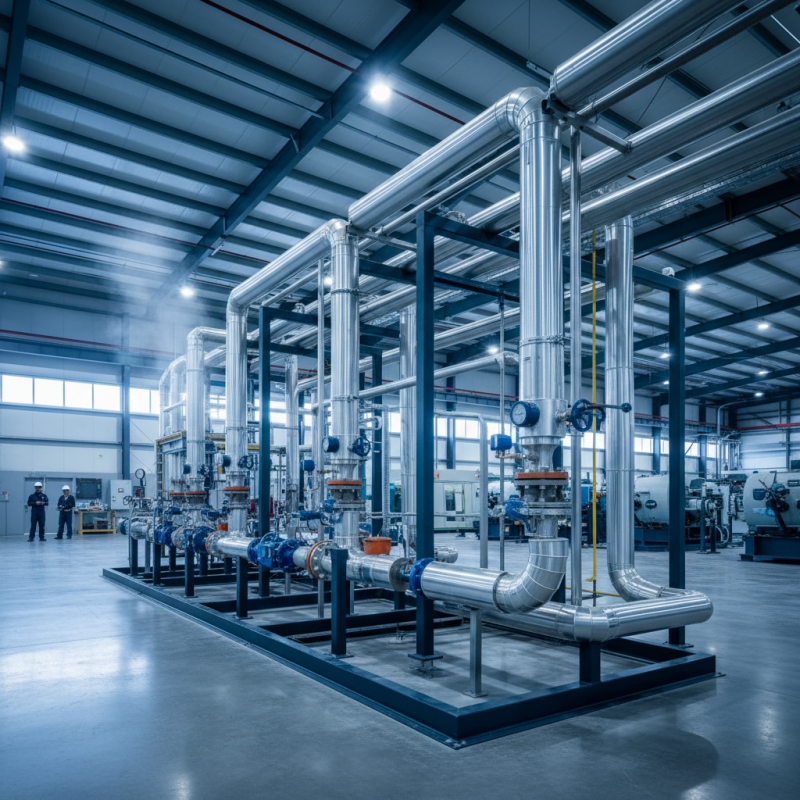
Piping design plays a crucial role as well. Insulated pipes minimize heat loss. The slope of the pipes must facilitate condensate flow. Yet, many systems are installed without proper grading. This oversight can cause water backups and increased pressure. Such issues not only reduce efficiency but require costly repairs.
Valves are equally important. They control the flow of both steam and condensate. Poorly functioning valves can result in pressure drops or overpressure scenarios. It’s vital to choose the right types and sizes. However, many operators often use generic valves without considering specific system requirements. This approach can lead to lost energy and increased operational costs. Regular assessments and adjustments are necessary for maintaining optimal efficiency.
Condensate Return System Efficiency Metrics
Analyzing the Impact of System Design on Energy Recovery Rates
Optimizing your condensate return system requires understanding how design impacts energy recovery rates. Efficient condensate systems can capture and return up to 90% of the steam’s latent heat. However, poorly designed systems often fall short. They may recover only 60% or less of the energy, wasting valuable heat.
One significant factor is the condensate return line's slope. A slope of at least 1 inch per 10 feet is recommended to ensure proper drainage. This helps avoid traps where condensate can pool, causing energy losses. Many facilities overlook this detail, leading to inefficiencies. Research shows that optimizing slope alone can increase recovery rates by 15%.
Another area of focus is insulation. Inadequately insulated pipes can lose heat, leading to lower performance. Best practices suggest insulating all condensate lines to minimize heat loss. Studies indicate that well-insulated systems reduce energy consumption by up to 20%, making a substantial difference in overall efficiency. Reflecting on these aspects can lead to better strategies for enhancing your condensate return system's performance.
Best Practices for Maintaining High Efficiency in Condensate Return Systems
Maintaining a high-efficiency condensate return system requires attention to several crucial factors. Regular inspections are vital for spotting leaks or wear. A small pinhole can lead to significant efficiency loss. Keeping pipes insulated helps maintain steam temperatures. If insulation is compromised, steam condenses too quickly, wasting energy. Monitoring the system's pressure and temperature ensures optimal operations.
Effective condensate traps play a key role in the system's performance. These devices must be checked often for blockages. A trap that isn't working can hold back condensate, leading to flooding and reduced efficiency. Additionally, using strainers at key points can prevent debris from entering the system. This minimizes breakdowns and prolongs equipment life.
Training staff on system operation and maintenance boosts overall reliability. Employees must recognize signs of malfunction. They should understand proper operation to maintain efficiency. However, it’s common for even experienced teams to overlook minor issues. Regular training refreshes their knowledge and helps in identifying potential pitfalls. Continuous improvement is crucial for sustaining high efficiency in condensate return systems.
Utilizing Advanced Technologies to Enhance Condensate Recovery and Processing
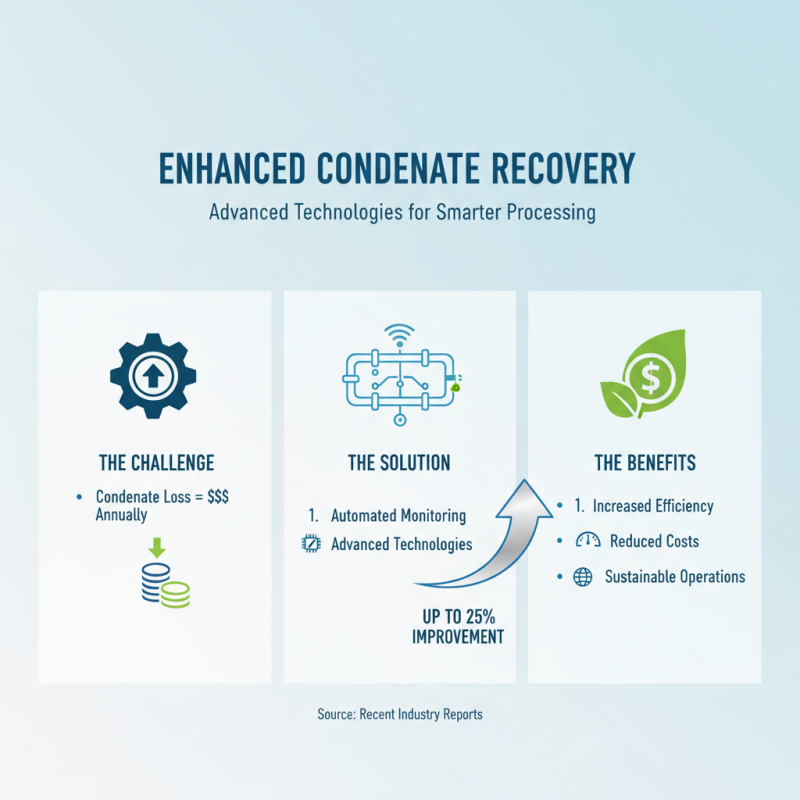
Optimizing your condensate return system involves integrating advanced technologies that boost efficiency. Recent industry reports suggest that automated monitoring can improve condensate recovery rates by up to 25%. This is significant, given that condensate loss can cost facilities thousands of dollars annually.
Utilizing sensors and IoT technology enhances real-time data collection. Operators can identify leaks or inefficiencies quickly. A minor leak can lead to a loss of 15-20% of condensate. Regular maintenance, combined with advanced diagnostics, keeps systems running efficiently.
However, not every implementation sees immediate success. Some facilities face challenges in adopting these technologies. Training staff and adjusting workflows can take time. Without proper alignment, even the best systems may underperform. Reflecting on these experiences can guide future improvements and push for greater efficiency.