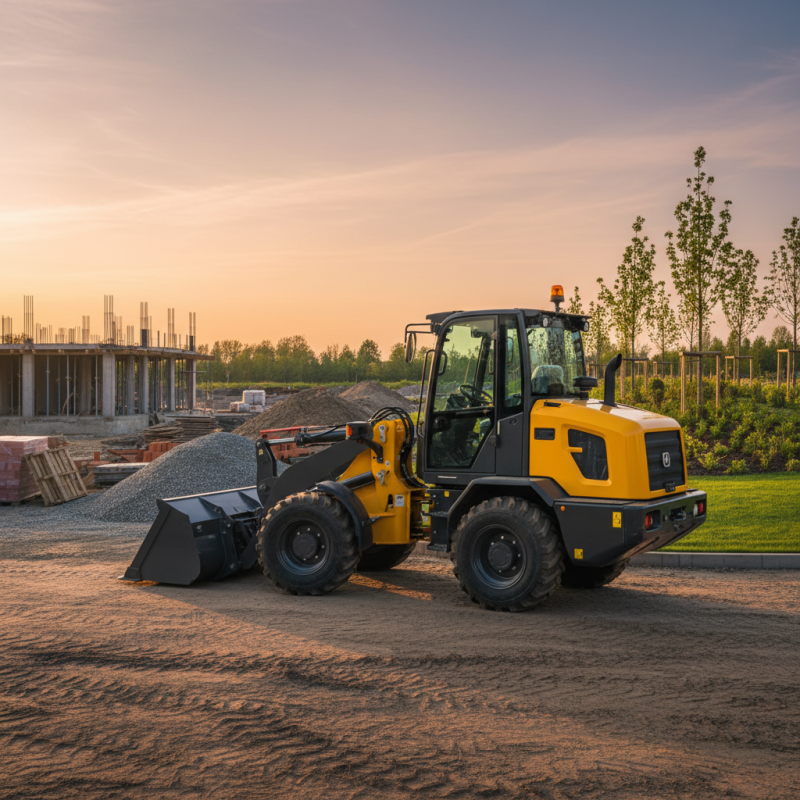
Essential Tips for Choosing the Right Compact Wheel Loader?
Choosing the right Compact Wheel Loader can be challenging. These machines are essential for various tasks in construction and landscaping. They come in different sizes and capabilities, making the selection process crucial.
Consider what you need the Compact Wheel Loader for. Will it be primarily for lifting, loading, or digging? Each task requires specific features. The power of the engine and the design of the loader matter significantly. Not all models will suit your needs.
Finding a balance between cost and efficiency is key. Cheaper models may lack durability. But overly expensive options might not provide the best value. Assessing all these factors will guide you in making a more informed decision. Remember, a wrong choice could lead to inefficiencies and added costs in the long run.
Understanding the Different Types of Compact Wheel Loaders
When choosing a compact wheel loader, understanding the different types is crucial. Compact wheel loaders typically fall into three main categories: standard, high lift, and tool carrier models. Each type serves unique functions, depending on project needs. According to industry data, standard models are ideal for general material handling, with a lifting capacity averaging 1,200 to 2,000 pounds.
High lift compact wheel loaders provide extended reach. This feature is useful when working with taller stacks or loading materials into higher areas. However, they may compromise stability compared to standard types. Data from equipment analysis indicates that high lift models can increase operational efficiency by up to 15% in specific tasks.
Tool carrier models are versatile. They allow operators to switch attachments efficiently, making them suitable for landscaping, construction, and snow removal. However, some operators struggle with the learning curve in managing various attachments. It’s important to consider the training required for effective usage, as industry reports suggest that improper use can lead to a 20% increase in equipment downtime. Selecting the right type based on specific requirements becomes essential for maximizing productivity.
Assessing Your Specific Project Needs and Requirements
When choosing a compact wheel loader, assessing your specific project needs is crucial. Start by evaluating the terrain where the loader will be used. Is it rough, uneven, or mostly flat? This factor will influence the type of tires or tracks that are best suited for your project.
Consider the size and weight of the materials you will handle. A loader with insufficient lifting capacity might slow progress. For heavy loads, prioritize loaders that can safely handle the weight. Also, reflect on the reach required for your tasks. A loader with an extended reach can save time and effort in loading operations.
Pay attention to attachment options. Different projects may require various tools, like buckets or forks. Having the right attachments will improve productivity. Lastly, think about the operator's comfort. Compact loaders with ergonomic controls can lead to reduced fatigue and higher efficiency.
Evaluating Engine Power and Performance Features
When choosing a compact wheel loader, engine power and performance are crucial. The engine's horsepower directly impacts its ability to handle various tasks. Look for a machine with a sufficient power rating to manage your workload efficiently. A strong engine can improve productivity, especially on job sites with heavy materials.
Torque is another important aspect of engine performance. High torque allows the loader to lift and push heavier loads without straining. Pay attention to the torque curve; a flatter curve offers better performance across different RPMs. However, sometimes, engine specifications can be misleading. Always seek real-world testing data to confirm claims.
Additionally, consider fuel efficiency. A powerful engine that guzzles fuel can lead to high operational costs. Balancing power and efficiency is vital. Sometimes, larger engines waste energy. Smaller engines can provide adequate power while being easier on the budget. As you evaluate options, think critically about your actual needs versus manufacturer promises.
Essential Tips for Choosing the Right Compact Wheel Loader
This chart illustrates the key performance features of compact wheel loaders based on engine power, lifting capacity, and operating weight.
Considering Size, Maneuverability, and Attachment Options
When choosing a compact wheel loader, size and maneuverability are crucial factors. The loader's width and height impact its ability to navigate tight spaces. For example, a machine with a width of only 3.5 feet can fit through standard gates. This size facilitates work in urban landscapes and confined job sites. According to a recent industry report, nearly 75% of operators noted that improved maneuverability increased efficiency in their projects.
Attachment options also influence a buyer's decision. Various attachments enhance functionality. Common options include buckets, forks, and grapples. A loader with versatile attachments can handle multiple tasks. An industry survey revealed that about 60% of users prefer models with quick-connect systems for easier attachment swaps. However, not all loaders accommodate every attachment. This mismatch can lead to additional costs and downtime, which many operators underestimate.
Choosing the right compact wheel loader demands careful consideration. Take time to evaluate how different sizes and attachments meet your specific needs. However, numerous operators find themselves overwhelmed when assessing these options. It’s essential to review real-world performance, not just specifications. Sometimes, the perfect fit isn’t the one with the most features.
Reviewing Budget and Long-term Maintenance Costs
When considering a compact wheel loader, it’s essential to think about budget and long-term maintenance costs. Initial purchase price is just the beginning. Regular maintenance is often where the true expenses accumulate over time. Maintenance can include oil changes, filter replacements, and inspections. Many buyers underestimate these costs. It’s crucial to factor in these ongoing expenses when creating your budget.
Additionally, think about the availability of parts. Some loaders may have affordable initial prices, but parts may be pricey or difficult to find later. This can lead to frustration and unexpected costs. Check if there are local service centers. They can ease the burden of repair times. If parts take too long to secure, you risk downtime. Maintenance plans can alleviate costs, but they should be evaluated closely.
Finally, consider the loader's resale value. Some may lose value quicker than others. Resale can offset your initial investment. It's worth spending time researching this aspect. A compact wheel loader is a long-term investment. Choosing wisely can save you significant dollars down the line. Make informed choices to avoid future headaches.