Top Canned Pump Options for Global Buyers in 2026?
In an evolving market, the demand for canned pumps is surging. Global industries are increasingly recognizing the advantages of these pumps. They offer reliable performance in challenging conditions. According to a recent market report by Grand View Research, the global canned pump market is expected to witness a CAGR of 6.3% from 2021 to 2028. Such growth reflects their significance in sectors like oil and gas, chemicals, and water treatment.
Canned pumps are known for their compact design and minimal leakage risks. They are sealed units that reduce maintenance costs. However, buyers often overlook their specific application requirements. Misapplication can lead to inefficiencies and increased operational costs. As companies look to improve sustainability, choosing the right canned pump is vital. Making informed decisions today will impact long-term efficiency.
With advancements in technology, the innovation of canned pumps continues. New materials and designs enhance performance and reliability. Yet, manufacturers must address challenges such as operating conditions and fluid characteristics. Awareness of these factors is crucial for global buyers as they navigate this complex landscape ahead of 2026.
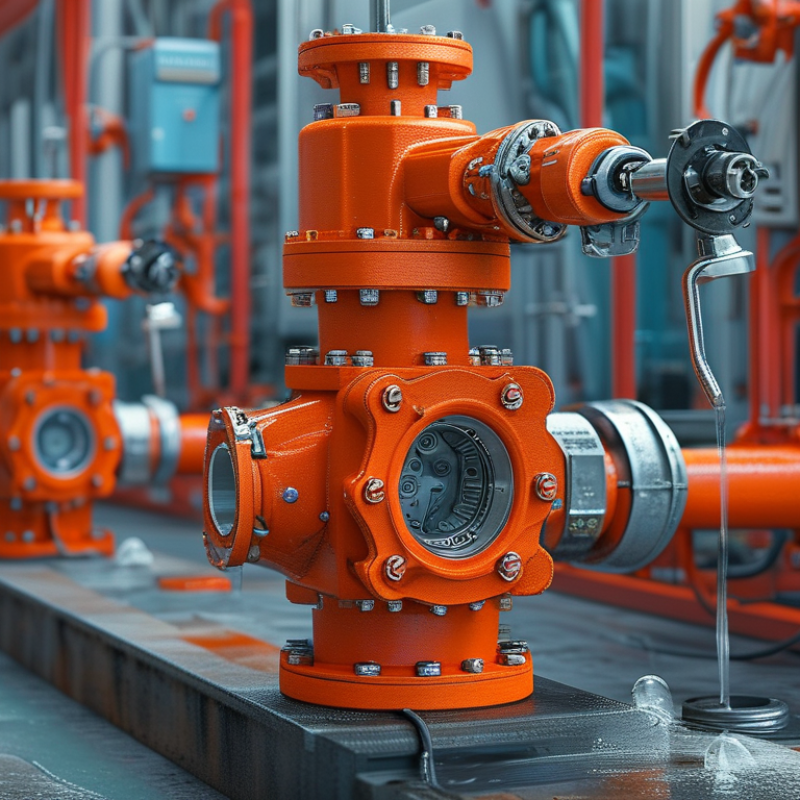
Overview of the Canned Pump Market in 2026
The canned pump market in 2026 is poised for significant transformations. Increasing demand across various industries is driving innovations in this segment. As environmental concerns grow, manufacturers are focusing on sustainability. Enhanced designs are expected to improve efficiency and reduce energy consumption. Technology integration will play a crucial role in these advancements.
Incorporating smart features, canned pumps will become more user-friendly. Automation and monitoring capabilities can provide valuable insights into operation. This means users can optimize performance and reduce downtime. However, potential challenges persist. Adapting to rapid technological changes may overwhelm some manufacturers. Additionally, the cost of new technologies can be a barrier for small businesses.
Market dynamics are influenced by both regional trends and global shifts. Buyers may find that local suppliers offer tailored solutions. The competition will likely increase, driving prices down. However, this can lead to compromises in product quality. Being aware of these factors will help global buyers make informed decisions.
Key Features and Innovations in Canned Pump Technology
Canned pump technology is evolving rapidly, with innovative features to meet the demands of various industries. As global buyers look to 2026, understanding these advancements becomes crucial. Modern canned pumps now incorporate advanced materials that enhance durability and efficiency. For instance, the adoption of corrosion-resistant alloys is on the rise. Reports indicate that the global canned pump market is projected to grow at a CAGR of 5.2% from 2021 to 2026, reflecting the heightened demand for these pumps.
One notable innovation is the integration of smart sensors. These devices allow for real-time monitoring of flow rates and temperature, helping to increase operational efficiency. Data indicates that systems equipped with smart sensors can reduce maintenance costs by up to 30%. This technology provides users the ability to anticipate issues before they escalate.
Canned pumps also feature improved sealing technologies aimed at minimizing leaks. Enhanced seal designs can reduce maintenance downtime. Reliable seals contribute to longer pump life expectancy, creating a notable shift in operational reliability. Having robust seals means fewer replacements and better overall efficiency.
Consider exploring manufacturers who focus on these innovations. It’s essential to prioritize suppliers that invest in R&D. Look for data-backed claims on pump performance and durability. Verifying supplier credibility ensures you are investing in top-tier technology.
Top Manufacturers and Brands to Watch in 2026
As we move into 2026, the demand for reliable canned pumps is increasing. Manufacturers are evolving to meet the global market's specific needs. Key features include energy efficiency and durability. These factors are critical for buyers looking to invest in quality equipment.
Several brands are expected to lead the market. They are known for their innovation and consistency. Offering a range of products designed for different applications is essential. This adaptability positions these manufacturers as strong contenders. However, it's important to assess each brand's reputation. Customer feedback plays a significant role in understanding reliability.
Not all products are flawless. Some may not perform well under extreme conditions. Potential buyers should conduct thorough research. Engaging with industry experts can provide valuable insights. Understanding real-world performance can aid in making informed decisions. Balancing cost and quality will be crucial in 2026.
Regional Market Trends for Canned Pumps Worldwide
The global canned pump market is evolving rapidly. Different regions exhibit unique trends and demands. Europe is currently focusing on sustainability. Many companies are transitioning to eco-friendly materials. This shift meets both regulations and consumer preferences. In contrast, North America prioritizes technological innovation. Advanced automation and efficiency are key drivers here. Manufacturers are investing in smart pumping technologies to enhance performance.
Asia-Pacific is witnessing increasing demand as industrialization continues. Emerging economies are adopting canned pumps for various applications. This region faces challenges in supply chain and quality control. Buyers must navigate these complexities to ensure reliable sourcing. Latin America presents a mix of opportunities and hurdles. Market players are balancing between cost-effective solutions and quality assurance.
The Middle East is developing infrastructure rapidly. Canned pumps are critical in oil and gas industries. However, fluctuating oil prices can impact investments in new technologies. Overall, buyers must stay informed about regional variations. Understanding local trends is essential for making strategic decisions. Adapting to these dynamics can be a challenge, yet it is crucial for success in the global market.
Top Canned Pump Options for Global Buyers in 2026
This chart illustrates the estimated regional distribution of canned pump market demand in 2026, highlighting the trends in major markets.
Future Challenges and Opportunities in the Canned Pump Sector
The canned pump sector faces numerous challenges and opportunities ahead of 2026. One pressing issue is sustainability. As global regulations tighten, manufacturers must focus on eco-friendly materials and energy-efficient designs. A recent report indicates that approximately 45% of buyers prioritize sustainable practices when selecting suppliers. This trend highlights a significant shift in consumer behavior.
Moreover, technology integration plays a crucial role in shaping the future. Smart canned pumps with IoT capabilities are gaining traction. According to industry analytics, the demand for automated systems is expected to grow by 25% over the next few years. This development could lead to increased efficiency, but it also requires significant investment in upgrading existing infrastructure. Failure to adapt may risk falling behind competitors.
Market fluctuations are another concern. Economic uncertainties and raw material price volatility can disrupt supply chains. A study from the Global Pumps Association indicates a projected 15% increase in production costs by 2026. Companies must prepare for these changes. They should evaluate their strategies regularly to remain competitive and sustainable in this evolving landscape. The path forward demands careful consideration and innovative thinking.
Top Canned Pump Options for Global Buyers in 2026
| Pump Type |
Flow Rate (L/min) |
Max Pressure (Bar) |
Material |
Price Range ($) |
| Diaphragm Pump |
20-100 |
5-15 |
Plastic |
150-300 |
| Centrifugal Pump |
50-200 |
10-30 |
Stainless Steel |
300-600 |
| Gear Pump |
10-80 |
5-25 |
Aluminum |
200-400 |
| Peristaltic Pump |
5-50 |
1-10 |
Rubber |
100-250 |
| Progressive Cavity Pump |
15-90 |
5-20 |
Cast Iron |
250-500 |