
China Top Hydrocarbon Solvents Suppliers for Global Buyers

Hydrocarbon Solvents are essential materials for coatings, adhesives, printing inks, rubber processing, and industrial cleaning. Their performance depends on boiling range, aromatic content, evaporation rate, and residue control. For global buyers, supplier selection requires more than comparing prices.

Recent market studies support this demand. Grand View Research identifies continued growth in the global hydrocarbon solvents market, driven by construction, automotive, packaging, and chemical manufacturing. IMARC Group also reports expanding solvent demand across Asia-Pacific, where China remains a major production and export base. UN Comtrade data can provide useful trade signals, although solvent classifications differ across HS codes. That limitation deserves attention.

China’s leading suppliers serve buyers with products such as mineral spirits, solvent naphtha, dearomatized solvents, and specialty isoparaffins. Reliable manufacturers usually provide batch-specific certificates of analysis, safety data sheets, technical data sheets, and traceable packaging records. Look for clear information on flash point, density, distillation range, sulfur level, and aromatic content.

Quality must be verified.

Production scale alone proves little. A supplier may have modern equipment yet inconsistent documentation. Buyers should request recent test reports, sample approval, factory audit access, and evidence of ISO-based quality management. Packaging details also matter, especially for 180-kilogram drums, flexitanks, and bulk shipments.

This guide evaluates China’s top Hydrocarbon Solvents suppliers through product range, technical capability, export experience, quality systems, and communication reliability. It also considers compliance with applicable transport, labeling, REACH, GHS, and regional chemical-control requirements. Some rankings remain judgment-based, because public supplier data is incomplete and changes over time. Careful verification is still necessary.
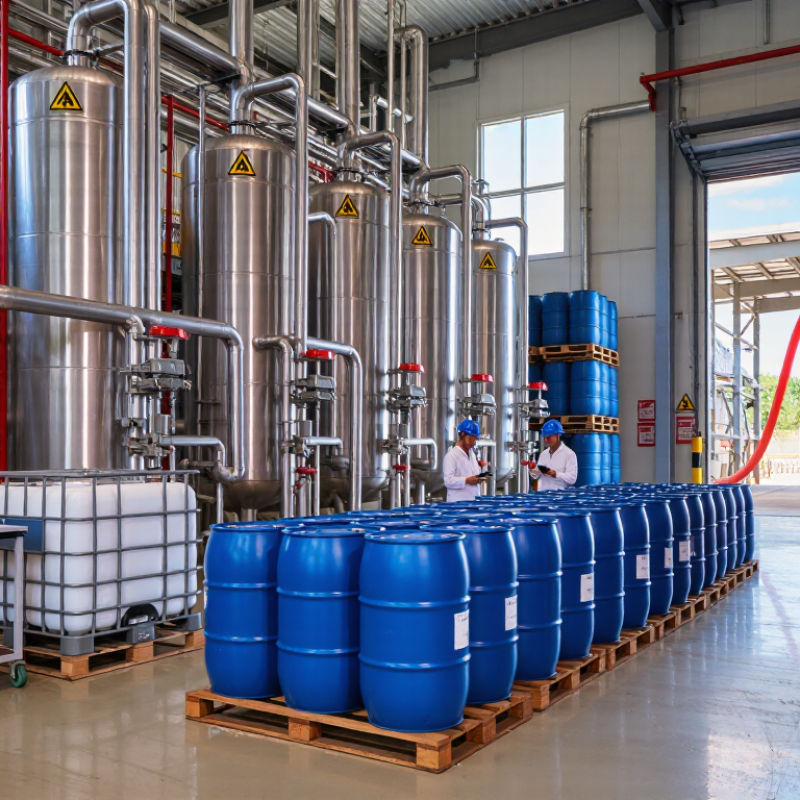
China Top Hydrocarbon Solvents Suppliers for Global Buyers

Hydrocarbon Solvents: Definition, Types, and Industrial Applications

Hydrocarbon solvents are liquid organic materials derived mainly from petroleum refining. They dissolve oils, resins, waxes, and many coating ingredients. Their performance depends on carbon range, boiling point, aromatic content, and evaporation rate.

Common types include aliphatic solvents, aromatic solvents, dearomatized grades, and hydrogenated solvents. Aliphatic grades suit paints, adhesives, rubber processing, and metal cleaning. Aromatic grades offer stronger solvency for resins and industrial coatings. Dearomatized products can reduce odor and worker exposure concerns, but they may not replace every high-solvency formulation. According to Grand View Research’s 2023 market report, the global hydrocarbon solvents market was valued at approximately USD 5.86 billion in 2022. The report also projects about 4.5% annual growth from 2023 to 2030. These figures indicate expanding demand, especially in coatings, printing inks, construction chemicals, and cleaning formulations.

Tips: Match the solvent to the resin, not only the price. Check SDS data, flash point, aromatic content, and distillation range before purchasing. Ask suppliers for batch consistency and independent test results. A low-odor solvent can still require strong ventilation. This detail is often underestimated. Global buyers should also review transport rules, workplace limits, and storage temperatures in the destination market. Supplier claims need verification. Lab trials remain essential because viscosity, drying speed, and surface finish can change between batches.

China’s Hydrocarbon Solvent Market and Manufacturing Strengths

China’s hydrocarbon solvent market has expanded through strong refining capacity and flexible chemical manufacturing. Producers supply grades used in coatings, adhesives, rubber processing, metal cleaning, and industrial extraction. Common products include aliphatic solvents, aromatic solvents, and low-odor formulations. Demand varies by application.

Manufacturing strength is visible in integrated production networks. Many facilities connect feedstock processing, blending, filling, and laboratory testing. This structure can shorten lead times and support customized boiling ranges. Some factories maintain export teams and use standardized packaging, such as  drum containers, IBC tanks, and bulk vessels. Buyers should request recent certificates of analysis, safety data sheets, flash-point results, and batch traceability records.

Quality control still requires careful review. A clear specification should cover purity, distillation range, aromatic content, sulfur level, moisture, color, and residue. Independent testing can confirm critical values before shipment. Not every supplier offers the same technical depth. Some documentation may look complete but lack meaningful test details. That is a real weakness in the market. Experienced buyers often inspect production lines, review retention samples, and compare several batches. Communication also matters. Small differences in viscosity or evaporation rate can affect coating flow, drying time, and final surface quality. Chinese manufacturers continue improving automation and process control, but consistency deserves ongoing attention.

Key Criteria for Evaluating Chinese Solvent Suppliers

China’s scale matters, but scale alone does not verify a hydrocarbon solvent supplier. Cefic’s 2024 Facts and Figures report estimates China represented about 44% of global chemical sales in 2023. That capacity creates options, not automatic reliability. Global buyers should inspect plant ownership, production equipment, export experience, and documented quality controls.

Ask for a recent certificate of analysis from the exact production batch. Check boiling range, flash point, aromatic content, sulfur, water, density, and evaporation residue. The data should match the product specification, not a generic sales sheet. Request ISO 9001 records, retained-sample procedures, and full batch traceability. Small details matter here. A missing lot number can disrupt an otherwise sound shipment.

Safety documentation deserves equal attention. Compare the SDS with GHS requirements and the destination market’s chemical rules, including labeling and transport obligations. The OECD’s chemical safety guidance supports evidence-based hazard communication and supply-chain due diligence. Verify whether the supplier can provide consistent documents in English and respond to technical questions quickly. A polished website is not proof. I have seen promising quotations fail during document checks. Price comparisons should include packaging quality, sampling, testing, insurance, and delivery terms. A low offer may hide weak verification, or simply reflect a different solvent grade. That difference needs careful questioning.

Leading Supplier Capabilities, Certifications, and Export Services

China’s hydrocarbon solvent suppliers increasingly serve buyers seeking stable specifications and dependable export support. Production experience matters because boiling range, aromatic content, flash point, and water levels can vary between batches. A capable supplier provides batch-specific certificates of analysis, retained samples, technical data sheets, and traceable production records. Traceability matters.

Certification adds structure, but it is not proof of every product claim. The ISO Survey 2022 recorded 1,265,216 ISO 9001 certificates worldwide, showing its broad adoption. Buyers should still verify certificate scope, issuing body, and production-site details. ISO 14001 and ISO 45001 can strengthen environmental and workplace controls. Suppliers serving regulated markets should also provide current safety data sheets, GHS-compliant labels, and support for applicable chemical registration duties. Some suppliers present impressive certificates but weak laboratory evidence. That gap deserves scrutiny.

Export capability is equally practical. Experienced suppliers coordinate container loading, drum or flexitank selection, customs documents, certificates of origin, and pre-shipment inspection. They should confirm HS classification and transport requirements before booking cargo. UNCTAD’s Review of Maritime Transport 2024 notes that over 80% of global merchandise trade by volume moves by sea. Therefore, moisture protection, seal records, and loading photographs can prevent avoidable disputes. Reliable suppliers also maintain multilingual communication and contingency plans for port delays. Trial shipments remain sensible, even when documentation appears complete.

Representative Hydrocarbon Solvent Boiling Points for Global Buyers

Boiling point is a practical purchasing dimension because it affects evaporation rate, drying behavior, distillation range, storage requirements, and process suitability. Values shown are representative physical-property figures for common hydrocarbon solvent categories; actual specifications may vary by grade and supplier.

Importing Hydrocarbon Solvents from China: A Buyer’s Process

Importing Hydrocarbon Solvents from China: A Buyer’s Process

Global buyers should begin with a precise solvent specification, not a general product name. Define boiling range, aromatic content, purity, flash point, and intended industrial use. Ask suppliers for recent certificates of analysis, safety data sheets, and batch records. These documents help confirm technical suitability and support responsible customs clearance.

Supplier verification requires more than reviewing a website. Request factory photos, production capacity, quality-control procedures, packaging details, and export experience. Independent testing of a pre-shipment sample can reveal differences that paperwork misses. The process is not perfectly linear. A supplier may answer quickly but provide incomplete technical evidence. Treat that as a warning, not a minor inconvenience. Confirm compliant labeling, UN-approved packaging where required, and transport documentation before payment. Clarify Incoterms, lead time, minimum order quantity, insurance, and responsibility for damaged cargo.

Tips: Keep one approved sample for comparison. Require lot-specific testing before shipment. Use written specifications and avoid vague terms such as “premium grade.” Check local import rules with a qualified customs professional, because requirements vary by destination. Build a contingency plan for delays, rejected batches, or changing freight costs. Small details matter.

China Top Hydrocarbon Solvents Suppliers for Global Buyers - Importing Hydrocarbon Solvents from China: A Buyer’s Process

Buyer Process Stage Hydrocarbon Solvent Category Typical Chemical Composition Typical Boiling Range Common CAS Reference Key Documents or Data to Request Buyer Verification Point
1. Define the specification Aliphatic hydrocarbon solvent Mainly paraffinic and cycloparaffinic hydrocarbons; aromatic content depends on grade Grade-dependent; commonly approximately 30–210°C Mixture; no single CAS applies to all grades Technical data sheet, safety data sheet, product specification, certificate of analysis template Confirm boiling range, density, flash point, sulfur, aromatic content, color, and evaporation profile
2. Select the product family Light aliphatic solvent Low-boiling hydrocarbons, often C5–C7 fractions Approximately 30–100°C Mixture; CAS 64742-49-0 may apply to certain hydrotreated light petroleum distillates SDS, detailed hydrocarbon composition, flash-point test method, transport classification Check compatibility with coatings, adhesives, rubber, plastics, and process equipment
3. Compare medium-boiling grades Mineral-spirit or dearomatized solvent Hydrotreated petroleum hydrocarbons with reduced aromatic content Approximately 135–205°C CAS 64742-47-8 or CAS 64742-48-9 may apply to specific hydrotreated petroleum fractions Aromatic content, hydrogenation status, odor description, distillation curve, REACH or local compliance statement Do not compare products only by trade descriptions; compare measured specification values
4. Evaluate aromatic grades Aromatic hydrocarbon solvent Aromatic hydrocarbons such as alkylbenzenes; exact composition varies by grade Commonly approximately 135–180°C Mixture; product-specific CAS identification is required Aromatic content, benzene level, distillation range, density, flash point, occupational exposure information Verify regulatory restrictions for benzene, toluene, ethylbenzene, and other listed substances
5. Request a commercial quotation Selected solvent grade Composition and quality must match the approved technical specification As stated in the supplier’s specification Exact CAS number or mixture identifier shown on the SDS Price basis, Incoterm 2020, minimum order quantity, packaging options, payment terms, quotation validity Request separate pricing for drums, IBCs, flexitanks, and bulk shipments where available
6. Validate the supplier and sample Pre-shipment sample or laboratory sample Sample should represent the proposed production grade and packaging configuration Must match the quoted specification Must match the SDS and import declaration documents Sample COA, batch number, manufacturing date, factory audit information, quality-system certificates where applicable Test the sample for density, distillation, flash point, color, water, sulfur, and residue as relevant
7. Confirm packaging Packaged hydrocarbon solvent Flammable liquid packaging selected according to product properties and transport rules Not applicable Product-specific UN identification is required Packing list, container certificate where applicable, package type, net and gross weight, label artwork Check container integrity, closure compatibility, grounding requirements, and required hazard labels
8. Classify for transport Flammable hydrocarbon liquid Classification depends on flash point, composition, and applicable transport mode Grade-dependent UN number must be confirmed from the current SDS and transport assessment SDS Section 14, dangerous-goods declaration, emergency contact, shipping marks Confirm requirements under IMDG for sea freight, ADR for applicable road transport, or local rules
9. Prepare import documents Commercial shipment Product description must be consistent across all shipping and customs documents As shown on the product specification CAS number and customs classification should be checked by the importer Commercial invoice, packing list, bill of lading, certificate of origin where required, SDS, COA, customs entry data Verify the applicable HS code, import duty, VAT, chemical registration, and labeling requirements in the destination country
10. Inspect and receive the goods Delivered batch Delivered material should conform to the contract, approved sample, and batch COA Compare with the agreed range Compare with the contract and SDS identifiers Final COA, delivery record, seal number, batch number, quantity confirmation, nonconformity procedure Inspect seals and containers before unloading; retain a representative sample according to internal quality procedures

Note: Hydrocarbon solvents are commonly sold as complex mixtures. Exact composition, CAS identification, boiling range, flash point, transport classification, and customs treatment must be confirmed from the current product specification and safety data sheet for each shipment.