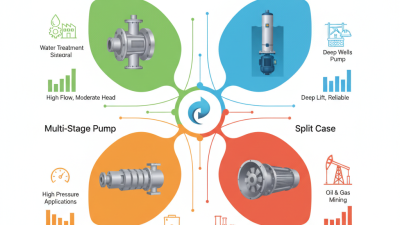
Why Choose a High Pressure Pump for Industrial Applications?

Why choose a high pressure pump for industrial applications? The answer begins with control, not force. In a chemical plant, a pump must push fluid through narrow pipes, filters, heat exchangers, and elevated lines. Pressure must remain steady when viscosity changes. A weak selection can cause vibration, seal damage, overheating, and costly downtime.

The U.S. Department of Energy reports that motor-driven systems consume more than half of industrial electricity worldwide. Its pumping-system guidance also identifies throttling and oversized equipment as common efficiency losses. The European Commission’s Ecodesign studies similarly emphasize life-cycle efficiency, not purchase price alone. These findings make high pressure pump selection an energy decision, not merely a production decision.

Pump reliability specialist Dr. Lev Nelik has stated, “Pump reliability is not a product feature; it is a system result.” That sentence deserves attention. A high pressure pump cannot compensate for poor pipe sizing, contaminated fluid, or neglected maintenance. In practice, operators should compare flow rate, pressure range, fluid temperature, seal design, materials, and variable-speed control. A stainless-steel pump may withstand corrosive service, while a cast-iron model may suit cleaner water. The correct answer is rarely the largest pump.

There is a practical weakness in many purchasing decisions. Buyers often trust catalog pressure ratings without checking real operating conditions. That shortcut looks efficient, but it can create hidden losses. A pressure gauge, vibration reading, and monthly energy review can reveal more than a brochure. Performance should be verified after installation. That step is sometimes skipped. It should not be.
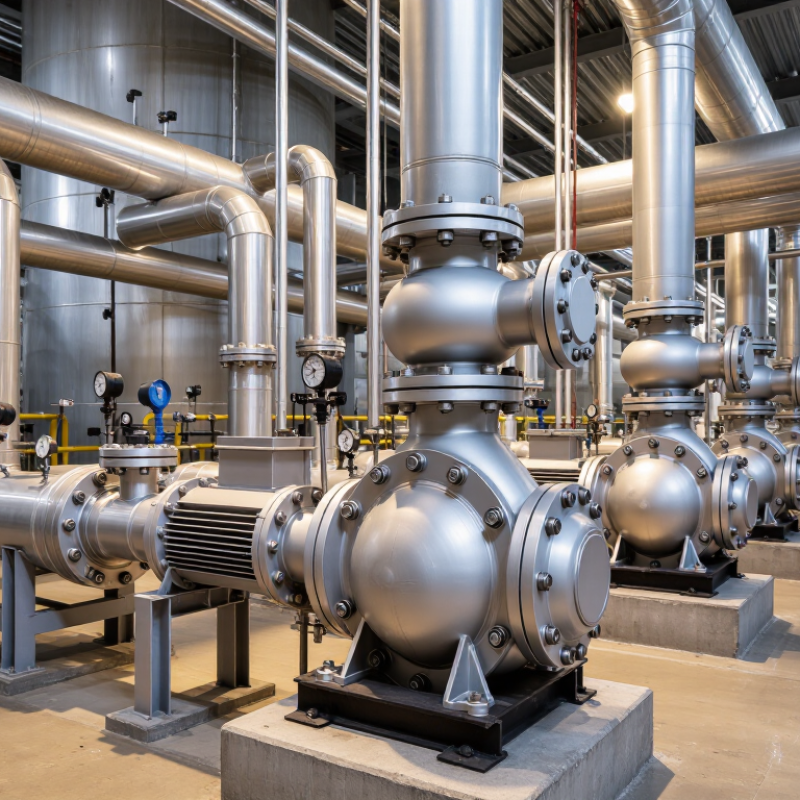
Why Choose a High Pressure Pump for Industrial Applications?

What Is a High-Pressure Pump?

A high-pressure pump is a mechanical device that moves liquid while creating substantial pressure. It converts motor power into controlled fluid energy. Unlike a standard transfer pump, it must resist stronger internal forces during operation. Pressure is not the same as flow. That distinction matters.

In industrial settings, high-pressure pumps support cleaning systems, water treatment, boiler feeding, hydraulic equipment, and process lines. The pump may feed liquid through narrow pipes, spray nozzles, or demanding production equipment. Its internal parts require suitable materials, seals, bearings, and lubrication. A pressure gauge and relief system help operators monitor changing conditions. I have learned that small pressure changes can reveal blocked filters, worn seals, or incorrect valve settings.

The phrase sounds simple, but selection is not. A higher rating is not always better. Engineers must match pressure, flow rate, liquid temperature, viscosity, and chemical compatibility. They should also check motor capacity, noise, vibration, installation space, and maintenance access. For example, a pump designed for clean water may fail quickly with abrasive particles. A pump with excess capacity can waste energy and stress connected equipment. That is an easy mistake.

Reliable selection depends on verified performance curves, operating records, and relevant safety requirements. Field conditions often differ from laboratory values. Careful testing remains necessary.

How High-Pressure Pumps Work in Industrial Systems

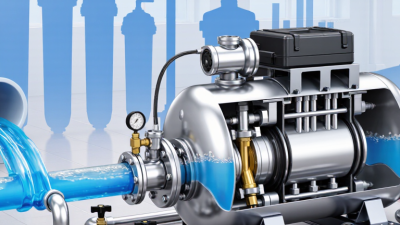
In industrial systems, a high-pressure pump converts mechanical energy into controlled fluid pressure. An electric motor or engine drives an impeller, piston, or diaphragm. The moving parts transfer energy to the liquid. System resistance then turns that energy into pressure.

A centrifugal pump accelerates fluid through rotating blades. A reciprocating pump pushes fixed volumes through chambers and valves. Pressure sensors monitor discharge conditions, while relief valves protect pipes from dangerous surges. In a working plant, operators may hear a sharp rattling sound when cavitation begins. This usually means the inlet supply is too restricted, the fluid is too warm, or the pump is oversized.

Reliable operation depends on more than pressure ratings. Clean filters protect small valve passages. Correct alignment reduces vibration at the coupling. Proper lubrication limits heat around bearings and seals. Maintenance records also reveal gradual changes, such as rising motor current or falling flow. These details often expose problems before a shutdown occurs.

High pressure does not automatically mean better performance. Excess pressure wastes energy and can shorten seal life. This point is easy to overlook. Engineers should match pump curves, pipe dimensions, fluid properties, and operating cycles before selecting equipment. Even experienced teams can misjudge changing viscosity or blocked filters. Regular inspection keeps the real system closer to its design conditions.

Why Choose a High Pressure Pump for Industrial Applications? — How High-Pressure Pumps Work in Industrial Systems
System Aspect Typical Industrial Data How It Works Operational Benefit Key Selection Consideration
Pressure Range Approximately 50–700 bar for many industrial high-pressure systems; specialized equipment may operate above this range. A driver supplies mechanical energy to a pump, which converts it into fluid pressure and flow. Provides the pressure required for cleaning, testing, injection, forming, and process separation. Confirm the required working pressure, maximum allowable pressure, and pressure spikes during start-up or valve changes.
Pump Type: Plunger or Piston Commonly selected for high-pressure, low-to-medium-flow duties; flow is often measured in liters per minute. Reciprocating plungers or pistons draw fluid through inlet valves and discharge it through outlet valves. High pressure capability, accurate metering, and good efficiency at steady operating points. Use suitable seals, lubrication, pulsation control, and filtration when handling abrasive or chemically aggressive fluids.
Pump Type: Multistage Centrifugal Often used for continuous flow applications requiring moderate-to-high pressure and relatively stable demand. Several impellers add energy to the fluid in stages, increasing total head while maintaining continuous flow. Smooth flow, lower pulsation, and suitability for water transfer, boiler feed, and process circulation. Check fluid temperature, net positive suction head available, cavitation margin, and the complete system curve.
Flow Characteristics Flow can range from a few liters per minute to hundreds or thousands of liters per minute, depending on pressure and pump design. Positive-displacement pumps deliver a defined volume per cycle, while centrifugal pumps develop flow according to system resistance. Allows the pump to be matched to either precise dosing requirements or continuous process flow. Do not select a pump using pressure alone; evaluate pressure, flow, fluid properties, duty cycle, and control method together.
Energy Conversion Hydraulic power is approximately calculated as: P = Δp × Q, where pressure is in pascals and flow is in cubic meters per second. Motor or engine power is converted into hydraulic power, with losses occurring in the pump, drive, and transmission. Helps estimate motor size, energy consumption, and operating cost before installation. Include pump efficiency, motor efficiency, fluid density, temperature, and required service factor in the calculation.
Fluid Compatibility Water, treated water, oils, hydraulic fluids, and selected chemical solutions may be suitable depending on materials and design. Wetted components, seals, valves, and coatings must resist the fluid’s chemical and physical effects. Reduces leakage, corrosion, premature wear, and unplanned maintenance. Review viscosity, temperature, pH, suspended solids, gas content, and chemical compatibility before specifying materials.
Filtration and Cleanliness Filtration requirements vary by pump type; fine filtration is particularly important for close-tolerance valves and seals. Filters remove particles that could damage valves, plungers, bearings, or control components. Improves reliability and helps maintain pressure and flow performance. Specify filter rating, flow capacity, bypass arrangement, and maintenance access without creating excessive inlet restriction.
Cavitation Protection The available suction pressure must exceed the pump’s net positive suction head requirement with an adequate safety margin. Cavitation occurs when local fluid pressure falls below vapor pressure, creating bubbles that collapse inside the pump. Protects impellers, valves, plungers, and internal surfaces from vibration, noise, erosion, and performance loss. Use short, adequately sized suction piping, reduce inlet losses, control fluid temperature, and maintain sufficient flooded suction where possible.
Pressure Regulation Relief valves, regulating valves, bypass lines, pressure switches, and variable-speed drives are commonly used. Control devices limit pressure, match pump output to demand, or redirect excess flow safely. Prevents overpressure and can reduce energy use during variable-demand operation. A relief path should be correctly sized and returned to a safe location; never block a positive-displacement pump’s discharge without protection.
Pulsation Control Reciprocating pumps naturally produce periodic flow and pressure pulsations. Air chambers, pulsation dampeners, flexible connectors, and suitable piping reduce pressure fluctuations. Protects instruments, piping, fittings, and downstream equipment while improving process stability. Size the dampener for the pump speed, number of cylinders, operating pressure, fluid properties, and allowable pulsation level.
Typical Industrial Uses High-pressure cleaning, hydrostatic testing, reverse osmosis feed, boiler feed, water injection, spray systems, and hydraulic power units. The pump supplies a controlled pressure and flow to overcome system resistance or perform a defined process task. Supports compact equipment layouts, efficient fluid transfer, precise process control, and high cleaning or testing performance. Match the pump curve and materials to the process, then verify compliance with applicable safety and pressure-vessel requirements.
Efficiency and Control Efficiency varies with pump design, pressure, flow, speed, fluid viscosity, and operating point. Variable-frequency drives, bypass control, throttling, or capacity control adjust output to process demand. Operating near the best-efficiency region can reduce heat generation, vibration, and energy consumption. Avoid continuous operation far below the recommended flow or at excessive pressure; review the full operating envelope.
Maintenance Requirements Routine tasks may include oil checks, seal inspection, valve inspection, filter replacement, alignment checks, and vibration monitoring. Wear components are serviced before leakage, pressure loss, or mechanical damage affects the process. Improves availability and extends equipment service life. Provide isolation valves, drains, lifting access, spare wear parts, and a maintenance schedule based on operating hours and fluid conditions.
Safety Requirements High-pressure fluid can cause injection injuries, hose failure, flying debris, and stored-energy hazards. Guards, rated piping, relief devices, interlocks, pressure indicators, and safe isolation procedures manage hazardous energy. Reduces personnel risk and limits damage if a component fails. Use components rated above the maximum system pressure and follow applicable local regulations, risk assessments, and lockout procedures.
Selection Summary Choose the pump based on required pressure, flow, fluid, temperature, duty cycle, efficiency, control strategy, and lifecycle cost. The selected pump must operate reliably across normal, minimum, maximum, start-up, and shutdown conditions. A properly matched high-pressure pump delivers dependable performance without unnecessary energy or maintenance costs. All values are typical engineering ranges or selection guidelines; final specifications must be verified against the actual system design and operating conditions.

Key Benefits of High-Pressure Pumps for Industrial Operations

Why Choose a High Pressure Pump for Industrial Applications?

Key Benefits of High-Pressure Pumps for Industrial Operations

High-pressure pumps deliver steady force where ordinary systems struggle. They support reverse osmosis, spray cleaning, boiler feed, water injection, and hydraulic testing. A stable discharge pressure can improve nozzle performance and reduce uneven processing across a production line. The U.S. Department of Energy reports that pumping systems may represent about 25% of industrial electricity use. This makes pump selection an important operating decision, not a minor equipment purchase.

High-pressure designs can move fluids through smaller pipes and demanding process stages. They may also reduce cycle times when pressure remains stable. However, pressure alone does not guarantee efficiency. Oversizing creates bypass flow, heat, vibration, and unnecessary power demand. The International Energy Agency has reported that motor-driven systems account for roughly 45% of global electricity consumption. Better controls and correct sizing therefore matter as much as maximum pressure. My field experience suggests that operators sometimes chase higher ratings first. That choice can age seals quickly.

Tips: Match flow, pressure, fluid temperature, and viscosity before selecting a pump. Check the pump curve at the real duty point. Install pressure sensors near the process, not only at the pump outlet. Review energy use after commissioning. A small pressure reduction may save more power than expected, but only if product quality remains consistent. Record vibration and seal leakage weekly. Small changes reveal problems early.

How to Choose a Pump for Pressure, Flow, and Fluid Requirements

Choosing a high pressure pump starts with the process, not the pressure label. Engineers should define discharge pressure, flow rate, operating hours, and control method. A system requiring 80 bar at 40 liters per minute needs a different pump from one requiring 150 bar intermittently. Include pressure losses from pipes, filters, valves, and elevation. Static pressure alone is misleading. I have seen specifications fail because designers ignored a clogged filter during peak operation. That small assumption became an expensive maintenance problem.

Fluid properties strongly influence pump selection. Water, solvents, oils, and abrasive slurries behave differently inside a pump. Check viscosity at operating temperature, solid content, corrosiveness, vapor pressure, and cleanliness requirements. A pump handling cold water may struggle with hot, thick fluid. Seal materials, wetted metals, and elastomers must match the chemistry. Compatibility charts are useful, but they cannot replace testing. Request performance data at the actual fluid temperature. Lab results can look reassuring.

Review the pump curve at the real duty point. Then check efficiency, motor capacity, and net positive suction head. Adequate suction margin helps reduce cavitation, vibration, and premature wear. Variable-speed control can manage changing demand, though it increases control complexity. Relief protection, pressure monitoring, filtration, and accessible drains improve reliability. Do not size only for the highest possible pressure. Oversizing may create unstable control and wasted energy. A short pilot test can reveal problems that calculations miss, especially with pulsating flow or changing viscosity. Document assumptions, then revisit them after installation.

Safety, Maintenance, and Lifecycle Considerations

Why Choose a High Pressure Pump for Industrial Applications?

Safety, Maintenance, and Lifecycle Considerations

High pressure pumps support demanding industrial tasks, but pressure creates serious operating risks. A blocked discharge line can raise pressure within seconds. Proper relief devices, guards, and pressure-rated hoses are essential. Operators should confirm isolation procedures before opening any connection. Small leaks also deserve attention.

Field inspections often reveal problems before instruments show an alarm. Watch for unusual vibration, seal moisture, rising bearing temperature, and unstable flow. A clean intake filter protects the pump from cavitation. Lubrication schedules must match the operating environment, not guesswork. Maintenance records should include readings, repairs, and replaced parts.

Lifecycle decisions begin before installation. Select materials that resist the pumped fluid, temperature, and corrosion conditions. Efficient motors may reduce energy use, but poor alignment can erase those savings. Training matters because even reliable equipment can be misused. I have seen teams replace seals repeatedly while ignoring pipe strain. That mistake is expensive.

A practical review should consider spare-part access, inspection frequency, noise exposure, and planned shutdowns. Design calculations need qualified review and current site data. Standards and local safety requirements should guide the final installation. Still, no checklist catches everything. Conditions change, and the original assumptions may be wrong. Regular reassessment keeps the pump safer and more dependable over its working life.