How to Choose the Best High Temperature Condensate Pump?

Choosing the best high temperature condensate pump requires more than comparing flow rates and prices. It demands a clear understanding of operating conditions, condensate behavior, and maintenance realities. In industrial steam systems, condensate may leave a process at temperatures that challenge seals, bearings, valves, and electrical components. A pump that performs well in a cool boiler room may fail quickly beside a hot heat exchanger. Small details matter.

A reliable selection begins with verified data. Record the condensate temperature, flow rate, discharge pressure, lift height, pipe length, and expected duty cycle. Check whether the fluid contains treatment chemicals, flash steam, or suspended particles. Manufacturer curves should match your actual operating point, not an ideal laboratory condition. Experienced engineers also review net positive suction head, material compatibility, motor protection, and mechanical seal limits. These checks reduce cavitation, overheating, and unplanned shutdowns. Still, no catalog can replace site measurements. Real systems often behave differently.

Look for evidence beyond marketing language. Review certified performance data, installation guidance, spare-part availability, and service history from comparable facilities. Ask how the high temperature condensate pump handles start-stop cycling and sudden temperature changes. A practical trial may reveal issues that a specification sheet misses. I have seen equipment selected correctly on paper but installed with inadequate cooling or poor drainage. That mistake is easy to repeat. The safest decision balances efficiency, durability, safety, and total ownership cost. This guide explains the key questions, while acknowledging one uncomfortable truth: “best” depends on the system you actually operate.
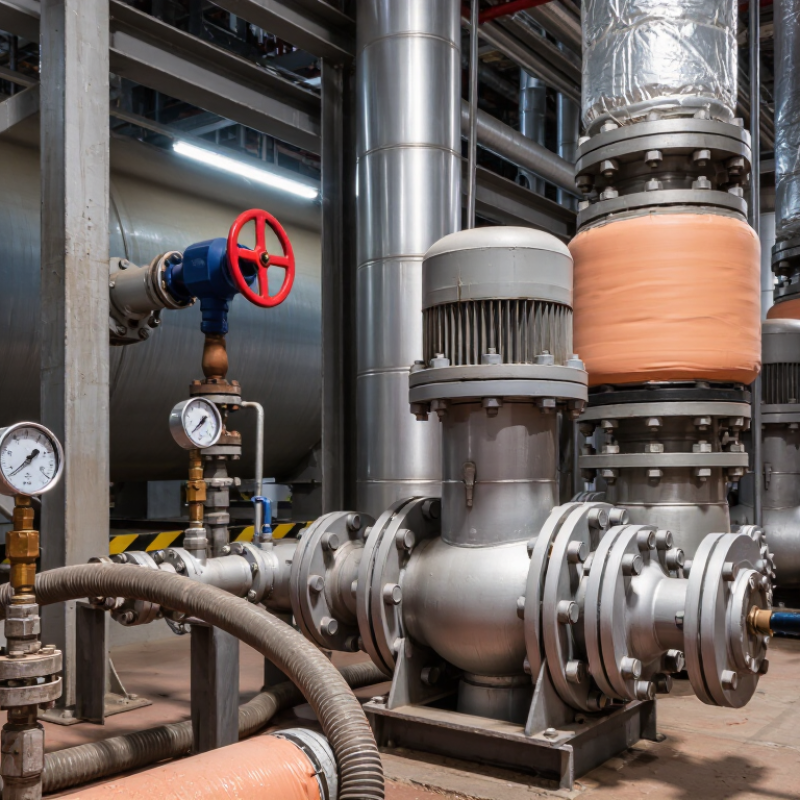
How to Choose the Best High Temperature Condensate Pump?

Understanding High Temperature Condensate Pump Functions and Applications

How to Choose the Best High Temperature Condensate Pump?

A high temperature condensate pump collects and moves hot condensate from steam equipment. It prevents flooded heat exchangers, blocked return lines, and unnecessary energy loss. In practical installations, condensate may leave a process vessel above 100°C. The pump must handle heat, pressure changes, and possible flashing without losing stable flow.

Its main applications include steam heating systems, sterilization equipment, laundry facilities, and boiler feedwater recovery. Returning condensate can reduce water treatment demand and preserve useful thermal energy. Selection requires more than checking temperature alone. Measure flow rate, discharge pressure, vertical lift, receiver volume, and inlet conditions. Insufficient net positive suction head can cause cavitation, vibration, and premature seal damage.

Material compatibility also matters. Stainless steel components may suit clean condensate, while stronger alloys can support more demanding process environments. Mechanical seals, bearings, insulation, and control switches should match the operating temperature. A temperature margin is wise. Real systems rarely operate as neatly as drawings suggest. I have seen pumps selected correctly on paper but struggle after pipe layouts changed. That detail is easy to overlook.

A reliable evaluation should include start-stop frequency, emergency drainage needs, and maintenance access. Automatic controls can regulate tank level and prevent dry running. Do not oversize the pump without reason. Oversizing may increase cycling and wear. Record actual operating conditions after installation, then review performance during seasonal changes. Small adjustments often reveal more than assumptions.

Evaluating Temperature, Pressure, Flow Rate, and Condensate Conditions

Choosing the best high temperature condensate pump starts with reliable operating data. Do not rely only on the boiler’s rated temperature. Measure condensate temperature at the pump inlet, during startup, and under peak load. At 180°C, water can flash when inlet pressure drops. This creates cavitation, vibration, and unstable discharge. Select materials, seals, and bearings rated above the measured temperature. A practical safety margin matters, but excessive margins can raise costs unnecessarily.

Pressure and flow rate must be evaluated together. Calculate static lift, pipe friction, control valve resistance, and the required discharge pressure. The pump should deliver the target flow without operating at the edge of its curve. Oversizing may cause short cycling and poor control. Undersizing can leave condensate trapped in equipment. Condensate conditions also deserve close attention. Check for flash steam, dissolved gases, corrosion products, oil contamination, and suspended particles. In field inspections, clean-looking condensate is not always chemically harmless. I have seen small changes in return-line pressure create surprisingly loud pump operation.

Tips: Record readings over several cycles, not once. Keep the pump inlet line short and generously sized. Verify net positive suction head under the hottest condition. Leave room for review; early calculations are sometimes wrong. A simple trend chart can reveal problems that one inspection misses.

Selecting Suitable Pump Materials, Seals, and Temperature Ratings

How to Choose the Best High Temperature Condensate Pump?

Material selection starts with the condensate chemistry, not the nameplate temperature. Stainless steel, especially 316L, offers stronger resistance to oxygen, treatment chemicals, and flash-related corrosion. Carbon steel may work in clean, closed systems, but its margin can disappear quickly.

The U.S. Department of Energy’s Steam Tip Sheet No. 3 reports that returning condensate can reduce boiler fuel use by 10–20%. That saving depends on reliable recovery, not optimistic assumptions.

Seal selection requires equal care. Mechanical seals should match temperature, pressure, shaft speed, and water chemistry. Common elastomers may harden or swell near their limits. Graphite-based faces and high-temperature elastomers often provide better durability, but only when the supplier confirms compatibility.

Check the seal chamber temperature, not just the fluid temperature. It can be hotter than expected. ISO 21049 and API 682 provide useful seal-design guidance, although not every condensate installation needs refinery-level specifications.

Temperature ratings must include startup, shutdown, and flashing conditions. A pump rated for 150°C may struggle when pressure falls suddenly at the suction. Maintain adequate NPSH margin and verify the manufacturer’s derating curve. The Hydraulic Institute emphasizes that cavitation risk increases when available NPSH approaches required NPSH. In practice, engineers sometimes choose a larger safety margin after reviewing vibration records. That costs more. It can also prevent repeated seal failures, which are often blamed on materials too quickly.

Comparing Pump Designs, Energy Efficiency, Maintenance, and Safety

Choosing a high temperature condensate pump starts with the condensate’s real conditions, not a catalog headline. Centrifugal designs suit steady flow and moderate pressure. Positive displacement pumps handle changing flow more confidently, but they need relief protection. Flashing condensate can destroy performance quickly. Check temperature, pressure, dissolved gases, NPSH margin, and return-line elevation before selecting materials or seals.

Energy efficiency deserves close attention. The U.S. Department of Energy’s Improving Pumping System Performance sourcebook reports that pumping systems can consume nearly 20% of industrial electricity. A small efficiency loss becomes expensive when the pump runs continuously. Variable-speed control may reduce throttling losses, but only when demand changes often. Oversizing remains common. It also causes unstable operation, wasted power, and premature wear.

Maintenance planning should include vibration checks, bearing-temperature trends, seal inspection, and monthly strainer cleaning. Condensate may look clean, yet corrosion products can score mechanical seals and narrow passages. The Hydraulic Institute recommends evaluating pump operation near its best efficiency point, where hydraulic loading is more stable. Safety requires insulated hot surfaces, guarded couplings, pressure-rated components, and a lockout procedure before service. OSHA’s Control of Hazardous Energy standard supports this isolation approach for maintenance work. Field reality is messier. Sensor drift, poor drainage, or trapped vapor can defeat a well-designed system. Review operating data after installation, because the original assumptions may be wrong.

Matching Pump Specifications to Your System and Operating Requirements

Choosing a high temperature condensate pump starts with your actual system conditions, not a catalogue headline. Record condensate temperature, flow rate, receiver pressure, discharge pressure, and vertical lift. A pump must overcome static head, friction losses, and pressure changes at the return point. Small errors matter.

Check the pump curve at your expected operating point. A unit rated for high temperature may still perform poorly with flashing condensate or limited suction pressure. Confirm the required NPSH margin, wetted materials, seal arrangement, motor insulation, and control method. Stainless components can improve durability, but compatibility depends on water chemistry and treatment. In field inspections, blocked strainers and undersized return lines often cause more trouble than the pump itself. That is easy to overlook.

Tips: Leave operating margin, but avoid excessive oversizing. Oversized pumps may short-cycle, waste energy, and wear controls. Confirm the highest temperature during startup, not only the normal reading. Insulate hot pipework carefully, while keeping valves and inspection points accessible. Use measured data where possible. Estimates can mislead.

Review the duty cycle before final selection. Continuous operation, batch drainage, and sudden steam loads require different control responses. Specify whether the receiver vents safely and whether the pump can tolerate intermittent flashing. Ask for certified performance data, temperature limits, and maintenance requirements. I would also test the float or level sensor under realistic conditions. A clean commissioning report builds confidence, though it may reveal assumptions that need correcting.

How to Choose the Best High Temperature Condensate Pump? - Matching Pump Specifications to Your System and Operating Requirements

Operating Requirement Typical Design Range or Condition Recommended Pump Specification Key Selection Check
Condensate temperature Up to 90°C Standard condensate centrifugal pump with continuous-duty motor and corrosion-resistant wetted parts. Confirm the pump’s continuous operating temperature, not only its short-term maximum temperature.
Hot condensate 90–120°C High-temperature centrifugal pump with suitable mechanical seal, thermal-rated bearings, and adequate suction pressure. At 120°C, water has a saturation pressure of approximately 1.99 bar absolute; prevent suction pressure from falling below the flashing limit.
Very hot condensate 120–150°C Special high-temperature pump, often with a closed impeller, reinforced shaft, high-temperature seal arrangement, and pressurized suction system. At 150°C, water has a saturation pressure of approximately 4.76 bar absolute. Check NPSH available at the actual temperature.
Flow capacity Based on minimum, normal, and peak condensate return flow Select a pump whose best-efficiency-point flow is close to the normal operating flow; allow practical capacity for peak demand without excessive oversizing. Use measured or calculated condensate load. Include start-up, intermittent loads, and a reasonable design margin rather than selecting solely by pipe size.
Total dynamic head Static elevation plus discharge pressure, friction loss, valves, fittings, and heat exchanger resistance Choose a pump curve that meets the required flow at the calculated total dynamic head, with stable operation near the preferred operating region. Do not use shut-off head as the operating head. Verify the actual duty point on the complete pump curve.
Suction condition and NPSH Open receiver, closed receiver, flooded suction, or suction lift Prefer flooded suction for hot condensate. Select the pump with NPSH available exceeding NPSH required by a practical safety margin. Allow at least 0.5 m of additional NPSH margin where conditions are stable; use a larger margin when temperature or flow fluctuates.
Flashing and cavitation risk Condensate pressure approaches saturation pressure at the operating temperature Use a pressurized receiver, increase static suction head, reduce suction-line losses, or apply a lower-temperature collection stage. Typical symptoms include noise, vibration, unstable flow, reduced capacity, and repeated seal or impeller damage.
Wetted-part material Low-mineral condensate, treated water, or condensate containing dissolved gases and process contaminants Use stainless steel or another material compatible with the condensate chemistry; use hardened wear surfaces where erosion or solids are present. Check pH, chloride concentration, conductivity, oxygen content, and any cleaning chemicals before finalizing materials.
Mechanical seal Continuous exposure to hot water, thermal cycling, and possible dry-running events Select seal faces, elastomers, and secondary seals specifically rated for the maximum temperature and condensate chemistry. Verify seal temperature limit, pressure limit, compatibility, cooling requirements, and dry-run tolerance.
Pump configuration Low-to-moderate head versus high-pressure return system Use a single-stage pump for moderate head and a multistage or higher-head design when the required discharge pressure is substantial. Compare efficiency, number of starts, maintenance access, and operating stability at minimum and maximum flow.
Control method Constant flow, level-controlled receiver, or variable process demand Use level-based automatic start/stop control for collection tanks; consider variable-speed control for widely varying flow and head conditions. Provide high-level alarm, low-level protection, motor overload protection, and interlocks against dry running.
Motor and electrical supply Continuous or frequent cycling operation Select a motor rated for the required absorbed power, ambient temperature, enclosure, voltage, frequency, and starting frequency. Motor power should exceed the maximum absorbed pump power over the operating range, including the selected service margin.
Pipework and installation Hot-water service with thermal expansion and possible vibration Use correctly sized suction piping, minimize elbows near the suction flange, provide isolation valves, and support piping independently of the pump. Include expansion provisions, drain and vent points, strainers only where appropriate, and adequate access for seal and bearing maintenance.
Reliability and redundancy Critical process, boiler-feed return, or continuous production service Consider duty/standby pumps with automatic changeover and alarm notification for high receiver level or pump failure. Define allowable downtime, spare-parts availability, inspection intervals, and maintenance procedures before selecting the final arrangement.
Engineering note: Final pump selection should be based on the actual condensate temperature, absolute suction pressure, flow range, total dynamic head, fluid chemistry, NPSH available, control philosophy, and applicable pressure and electrical safety requirements.