China Top 10 Centrifugal Pump Parts Manufacturers

China has become a major manufacturing base for industrial pump equipment and replacement components. Its centrifugal pump parts sector serves water treatment, power generation, mining, chemical processing, and oil and gas applications. The opportunity is substantial, but supplier quality varies sharply.

Grand View Research estimates that the global centrifugal pump market was valued at approximately USD 40 billion in 2023. It also projects steady growth through 2030, supported by infrastructure investment and industrial modernization. Fortune Business Insights reports similar expansion, although market boundaries differ between studies. These differences deserve attention. They show why buyers should examine definitions, not only impressive market figures.

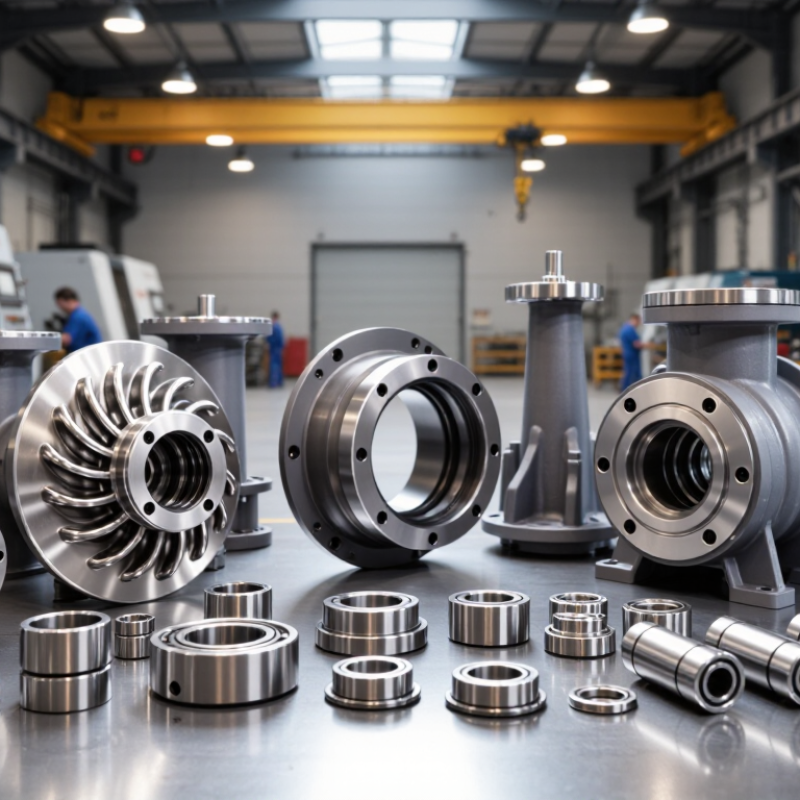
Reliable centrifugal pump parts include impellers, pump casings, shafts, mechanical seals, wear rings, bearings, and coupling components. Each part affects hydraulic efficiency, vibration, maintenance intervals, and operating safety. Dr. Lev Nelik, a recognized pump reliability specialist, has stressed, “Pump reliability begins with proper selection and installation.” His point remains practical. A precisely machined impeller cannot compensate for poor alignment or unsuitable materials.

This guide reviews China’s top 10 centrifugal pump parts manufacturers through an engineering-focused lens. It considers manufacturing experience, material control, machining accuracy, testing practices, export capability, and after-sales support. Factory photographs can look convincing. Performance records matter more. Buyers should request dimensional reports, material certificates, balancing results, and application references before making decisions.

The ranking is not perfect. Supplier capabilities can change quickly. Smaller manufacturers may also deserve greater attention. A careful comparison should therefore combine published evidence with direct technical verification.
China Top 10 Centrifugal Pump Parts Manufacturers

Centrifugal Pump Parts: Functions, Types, and Industry Scope

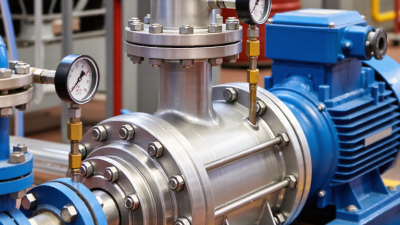
Centrifugal pump parts control how safely and efficiently a pump moves fluid. The impeller transfers motor energy into hydraulic flow. The casing guides that flow and converts velocity into pressure. A shaft transmits torque, while bearings support rotation and limit vibration. Mechanical seals reduce leakage around the rotating shaft. Wear rings protect internal clearances and help maintain stable performance.

Common parts include open, semi-open, and closed impellers. Each design suits different solids content, viscosity, and pressure demands. End-suction, split-case, multistage, and vertical pump structures require different replacement components. Material selection matters. Stainless steel resists many corrosive fluids, while ductile iron offers strength for general water service. Elastomers must also match temperature and chemical exposure.

Manufacturing scope in China covers casting, forging, machining, balancing, coating, and dimensional inspection. Reliable suppliers usually check shaft runout, impeller balance, hardness, and sealing surfaces. Field technicians should compare drawings, operating data, and worn-part measurements before ordering. A visually similar component may still perform poorly. That assumption can fail. Clearance changes of a few tenths of a millimeter can increase vibration, energy use, or seal wear. Inspection records, traceable materials, and pressure testing improve purchasing confidence, although no process removes every maintenance risk. Some real operating conditions remain difficult to predict.

Centrifugal Pump Parts: Functions, Types, and Industry Scope

This chart shows the calculated shaft power required at representative centrifugal pump duty points for clean water. The calculation uses P = ρgQH/η, with water density of 1,000 kg/m³ and gravitational acceleration of 9.81 m/s². The impeller transfers energy to the fluid, while the casing converts velocity into pressure. The shaft, bearings, wear rings, mechanical seal, and coupling support power transmission, alignment, and leakage control across water supply, HVAC, irrigation, industrial processing, and wastewater applications.

How China’s Top Centrifugal Pump Parts Manufacturers Are Evaluated

Evaluating China’s top centrifugal pump parts manufacturers requires more than comparing prices. The real test begins with material traceability, dimensional control, and verified hydraulic performance. Buyers should request chemical certificates for stainless steel, ductile iron, and bronze components. They should also review machining tolerances, balancing records, and inspection procedures. ISO 9001 certification helps, but it does not replace factory evidence.

The U.S. Department of Energy reports that pumping systems can represent 25% to 50% of industrial electricity use. This makes impeller balance, wear-ring clearance, and casing accuracy important evaluation points. Manufacturers should provide flow-head curves, pressure-test records, and vibration results from repeatable test conditions. ISO 5199 offers useful technical guidance for centrifugal pump construction and testing. However, paperwork can look stronger than actual production. A factory audit remains valuable.

Tips: Ask for three recent inspection reports, not one sample. Check whether test equipment is calibrated. Confirm spare-part consistency across batches. Review lead times, packaging, and technical support before signing a contract. A useful supplier should explain failure risks clearly, even when the answer is uncomfortable. Cost still matters. Yet the cheapest casting may create higher energy use, leakage, or downtime later. The evaluation process should be practical, documented, and willing to question its own assumptions.

China’s Top 10 Centrifugal Pump Parts Manufacturers

China’s Top 10 Centrifugal Pump Parts Manufacturers

China’s top 10 centrifugal pump parts manufacturers serve water, mining, chemical, energy, and municipal projects. Their product ranges commonly include impellers, pump casings, shafts, wear rings, bearings, couplings, and mechanical seals. Strong manufacturers combine casting control with accurate CNC machining. They also inspect balance, hardness, surface finish, and dimensional tolerance. These details affect vibration, leakage, and service life.

A reliable supplier should provide material certificates, inspection records, and clear part drawings. Stainless steel, duplex alloys, cast iron, and bronze may suit different fluids and temperatures. Impellers need careful balancing. Shafts require straightness checks. Mechanical seals need compatible faces and elastomers. Factory visits can reveal more than polished websites. Look at machining floors, testing equipment, storage conditions, and quality procedures.

The best candidates usually maintain traceable production batches and repeatable inspection methods. Hydrostatic casing tests and performance checks add practical confidence. Communication matters too. Engineers should confirm operating speed, pressure, temperature, fluid composition, and installation dimensions before quoting. A lower price can hide poor metallurgy or inconsistent machining. I have seen specifications accepted too quickly, then corrected after fitting problems appeared. That mistake remains expensive. Even experienced buyers should recheck drawings, because a small keyway error can stop an entire pump system.

China Top 10 Centrifugal Pump Parts Manufacturers

Manufacturing Capability Reference for Major Centrifugal Pump Components

No. Centrifugal Pump Part Common Engineering Materials Common Technical Standards 1 Impeller CF8M stainless steel, CD4MCu duplex stainless steel, CA6NM martensitic stainless steel, ductile iron, bronze Investment casting, sand casting, precision machining, dynamic balancing API 610, ISO 5199, ASTM A743, ASTM A995 Chemical composition, dimensional inspection, casting soundness, surface finish, static or dynamic balance, hydrostatic testing when required
2 Pump Casing Cast iron, ductile iron, carbon steel, CF8M stainless steel, duplex stainless steel Sand casting, resin-sand casting, fabricated steel construction, CNC machining API 610, ISO 5199, ASTM A216, ASTM A395, ASTM A743 Pressure testing, wall-thickness measurement, dimensional inspection, visual inspection, radiographic or ultrasonic testing for critical castings
3 Pump Shaft 4140 alloy steel, 17-4 PH stainless steel, 420 stainless steel, 431 stainless steel, duplex stainless steel Forging, heat treatment, CNC turning, grinding, keyway machining API 610, ASTM A108, ASTM A564, ASTM A276 Runout measurement, hardness testing, dimensional inspection, magnetic-particle or ultrasonic testing, balance verification
4 Mechanical Seal Silicon carbide, tungsten carbide, carbon graphite, ceramic, 316 stainless steel, Alloy 625 Precision lapping, sintering, pressing, CNC machining, face finishing API 682, ISO 21049, EN 12756 Seal-face flatness, surface roughness, leakage testing, spring-load verification, dimensional inspection, material certification
5 Wear Ring Bronze, 316 stainless steel, hardened stainless steel, nickel alloy, carbon steel with corrosion-resistant coating Bar machining, centrifugal casting, heat treatment, grinding, clearance finishing API 610, ISO 5199, ASTM A276, ASTM B584 Running-clearance verification, concentricity, hardness, dimensional inspection, surface-finish measurement
6 Bearing Housing Gray cast iron, ductile iron, carbon steel, aluminum alloy for selected applications Sand casting, shell molding, fabrication, CNC machining ISO 5199, ISO 1940-1, ASTM A48, ASTM A536 Bearing-seat dimensional inspection, alignment inspection, porosity examination, oil-leak testing, surface-finish verification
7 Bearings Chrome bearing steel, stainless bearing steel, ceramic hybrid materials for specialized service Precision forging, turning, heat treatment, superfinishing, grinding ISO 281, ISO 492, ISO 199, ASTM A295 Radial and axial clearance, hardness, dimensional accuracy, vibration, noise, cleanliness, fatigue-life classification
8 Shaft Sleeve 316 stainless steel, 410 stainless steel, 17-4 PH stainless steel, tungsten carbide-coated steel Bar machining, heat treatment, grinding, coating or surface hardening API 610, ISO 5199, ASTM A276, ASTM A564 Outside-diameter tolerance, concentricity, hardness, coating adhesion where applicable, corrosion-resistance inspection
9 Coupling Carbon steel, alloy steel, stainless steel, elastomeric elements for flexible designs Forging, casting, CNC machining, heat treatment, balancing API 671, ISO 14691, ISO 1940-1 Dimensional inspection, keyway and bore verification, torsional inspection, alignment checks, balancing and material testing
10 Gasket and O-Ring PTFE, expanded graphite, aramid fiber, EPDM, NBR, FKM, stainless-steel spiral-wound constructions Die cutting, molding, calendaring, compression forming, precision slitting ASME B16.20, ASME B16.21, ISO 3601, ASTM F104 Material identification, dimensional inspection, hardness testing, compression recovery, leakage testing, temperature and chemical compatibility review

The table summarizes commonly used materials, production methods, standards, and inspection practices for centrifugal pump parts. Actual specifications depend on pump design, fluid properties, pressure, temperature, corrosion conditions, and service requirements.

Key Products and Manufacturing Capabilities of the Leading Suppliers

China Top 10 Centrifugal Pump Parts Manufacturers

China’s leading centrifugal pump parts manufacturers produce impellers, casings, shafts, wear rings, sleeves, bearings, and mechanical seal components. Their product ranges cover cast iron, ductile iron, stainless steel, duplex stainless steel, and bronze alloys. These materials support water treatment, irrigation, HVAC systems, mining, and industrial processing.

Manufacturing capability often begins with CAD modeling and pattern development. Foundries use sand casting, investment casting, or precision machining for different part sizes. CNC turning and milling can control shaft diameter, keyways, and seal faces. Dynamic balancing is essential for impellers. Poor balance can create vibration, noise, and early bearing failure. Small details matter.

Reliable suppliers usually combine heat treatment, dimensional inspection, pressure testing, and material traceability. Quality teams may check runout with dial indicators and verify critical dimensions using coordinate measuring equipment. Some factories provide inspection reports, alloy certificates, and sample approval before batch production. However, not every supplier performs every process internally. Buyers should confirm casting sources, machining tolerances, coating methods, and testing records before ordering. A strong quotation is useful, but physical samples reveal more. Supplier performance can still vary between batches, especially for custom parts and urgent replacements.

How to Select a Reliable Chinese Centrifugal Pump Parts Manufacturer

Selecting a reliable Chinese centrifugal pump parts manufacturer requires evidence, not attractive catalog photos. The U.S. Department of Energy’s Improving Pumping System Performance sourcebook reports that pumping systems may consume 25–50% of industrial facility electricity. Poorly fitted parts can increase this hidden cost. Ask for dimensional drawings, material certificates, heat-treatment records, and balancing reports before placing an order.

A capable supplier should explain tolerances clearly. Check shaft runout, impeller balance grade, wear-ring clearance, and casting repair limits. Request samples from the same production process. Then compare them with your original parts using a coordinate-measuring machine. Hydraulic Institute’s Pump Life Cycle Costs guide also emphasizes energy, maintenance, and replacement costs, not only purchase price. This is important. A cheaper impeller may create vibration, seal damage, and repeated downtime.

Audit the factory’s traceability system. Each batch should connect to a furnace record, inspection report, and packing label. Verify ISO 9001 certification directly with the issuing body, rather than trusting a scanned certificate. Ask for a witnessed dimensional inspection and a documented corrective-action process. The checklist will never be perfect. I would still conduct a small trial order before annual purchasing. Reliable communication, stable metallurgy, and repeatable measurements matter more than impressive promises.