Top 10 High Temperature Condensate Pump Manufacturers

Selecting a high temperature condensate pump is not just a matter of comparing flow rates. Hot condensate can reduce available suction head, increase cavitation risk, and expose seals and materials to demanding thermal cycles. A pump that looks suitable on a catalog page may struggle beside a noisy receiver tank or a long, undersized suction line. Details matter.

This guide introduces ten manufacturers and the factors engineers can use to compare them. These include temperature and pressure limits, hydraulic performance, materials, seal options, service support, and documented application experience. Igor J. Karassik, a respected pump engineer and author, offers a useful point of reference through his engineering work. The following is an editorial paraphrase, not a verified quotation: select a pump for its real operating duty, not just its headline rating. That distinction matters when condensate temperature, system pressure, and site conditions vary.

Still, a neat comparison cannot replace a proper system review. Even a well-built pump may disappoint if the installation creates poor suction conditions or if operating data are incomplete. That part is easy to overlook. The manufacturers featured here should therefore be treated as a starting point, not a universal ranking. Buyers should verify current specifications with each supplier and compare them against measured site conditions. A careful shortlist can reduce risk, but no list can guarantee performance in every plant.

Top 10 High Temperature Condensate Pump Manufacturers

High-Temperature Condensate Pumps: Design and Operating Principles

High-temperature condensate pumps recover hot water from steam systems and return it to boilers or process loops. The liquid may be close to its boiling point, so pressure at the suction matters. If pressure falls too low, vapor bubbles form and collapse inside the impeller. This cavitation can cause noise, vibration, and gradual damage. That margin matters. Designers consider available net positive suction head, inlet losses, and required flow together, rather than relying on rated capacity alone.

Heat changes everything. Pump casings, shafts, and seals must tolerate operating temperatures and repeated thermal expansion. A controlled warm-up helps reduce uneven heating, while suitable clearances prevent parts from binding as they expand. Mechanical seals need cooling or a compatible sealing arrangement, depending on temperature and system conditions. The impeller transfers energy to the condensate, raising its pressure so it can travel back through the return line. In practice, small leaks, trapped air, or a partly closed valve can upset performance. Real installations are rarely as tidy as calculations suggest. Temperature, pressure, and vibration readings during operation help reveal problems early, though those readings need context; one unusual reading is not always proof of failure.

Criteria for Evaluating Condensate Pump Manufacturers

When evaluating high-temperature condensate pump manufacturers, start with operating conditions, not catalog claims. Check the maximum continuous temperature, pressure rating, flow range, and materials against your actual system data. A pump handling hot condensate may face flashing, thermal expansion, and low inlet pressure. Ask how the design manages these conditions, and request performance curves for the expected duty point.

Details matter. Look for documented testing, clear material specifications, and guidance on net positive suction head requirements. Ask whether seals, bearings, and casing materials suit repeated heat cycles, not just steady operation. Evidence is useful. Review service intervals, spare-parts availability, and the manufacturer’s process for diagnosing vibration or cavitation. A quick reply is not the same as technical support. Site references can help, though they may not match your installation exactly. That is easy to overlook.

Compare warranties and commissioning support alongside purchase price. Request written limits for temperature, pressure, and operating hours, then check whether they align with your process. A checklist can still miss a detail: condensate chemistry or startup frequency may change material and seal choices. Share these conditions early, and ask for recommendations with supporting data rather than broad assurances.

Top 10 High Temperature Condensate Pump Manufacturers - Criteria for Evaluating Condensate Pump Manufacturers

No. Evaluation criterion What to verify Useful evidence
1 Temperature capability Confirm the pump’s allowable continuous operating temperature and the limits for its casing, rotor, bearings, seals, and elastomers. Check whether the rating covers the actual condensate temperature and start-up conditions. Published temperature limits, materials list, and a written confirmation for the specified duty.
2 Hydraulic performance Check that the duty point falls on the supplied flow-versus-head curve and that the selected impeller and speed suit the required operating range. Pump performance curve, stated test tolerances, and rated-point data for flow, head, and power.
3 NPSH and cavitation assessment Compare available NPSH with the pump’s required NPSH at the operating conditions. Account for condensate temperature, suction pressure, static head, and suction-line losses. NPSH curve and a documented system calculation using the project’s suction conditions.
4 Pressure and mechanical design Verify allowable working pressure, design temperature, nozzle loads, and relevant piping connections against the system specification and applicable codes. Datasheet, pressure-boundary design information, connection details, and stated code or project-specification compliance.
5 Materials and corrosion compatibility Check casing, impeller, shaft, and trim materials for compatibility with the condensate chemistry, temperature, oxygen content, and any treatment chemicals. Material specifications, corrosion guidance, and options for the stated water chemistry.
6 Shaft sealing and leakage control Assess whether the sealing arrangement and seal materials suit the temperature, pressure, fluid cleanliness, and site requirements. Consider maintainability and leakage-management requirements. Seal arrangement drawing, seal-material details, operating limits, and maintenance instructions.
7 Efficiency and operating range Review efficiency at the expected duty point, permitted operating range, motor power margin, and suitability for variations in condensate flow. Efficiency and power curves, operating-range guidance, and motor-sizing information.
8 Quality assurance and testing Determine which inspection and performance tests are included, which are optional, and how test results are recorded and traceable to the supplied equipment. Inspection and test plan, performance-test procedure, material certificates, and sample test reports.
9 Reliability and serviceability Review bearing and lubrication arrangements, access for routine maintenance, expected inspection tasks, and availability of replacement parts over the intended service life. Maintenance manual, recommended spare-parts list, service procedures, and warranty terms.
10 Documentation and engineering support Confirm the supplier can provide application review, installation guidance, operating instructions, and the documentation required for the project and local regulations. Document register, drawings, installation and operation manuals, and defined technical-support arrangements.

Top 10 High-Temperature Condensate Pump Manufacturers

Top 10 High-Temperature Condensate Pump Manufacturers

Choosing among the top 10 high-temperature condensate pump manufacturers takes more than comparing catalog ratings. A suitable pump must handle the condensate’s actual temperature, pressure, flow rate, and return-system layout. Ask manufacturers for performance curves and temperature limits at your operating conditions. Check wetted materials, seal options, and allowable inlet pressure. Small details matter.

Tips: Share real operating data, including startup conditions and any temperature fluctuations. Ask for documented test results and references from comparable installations. Fit matters.

A strong manufacturer should explain how its design manages hot condensate, reduces cavitation risk, and supports routine maintenance. Confirm the proposed pump’s minimum flow requirements and the effects of changing system pressure. Ask about spare-part availability and service response, too. A polished brochure is not proof of dependable field performance. I would still verify the details against site measurements; records can be incomplete, and assumptions sometimes survive longer than they should.

High-Temperature Condensate Pump Operating Context

This chart shows the saturation temperature of water at selected absolute pressures, based on IAPWS-IF97 steam-table properties. These reference values help illustrate condensate temperature conditions; they are not pump ratings or a manufacturer comparison.

Comparing Manufacturer Capabilities, Products, and Applications

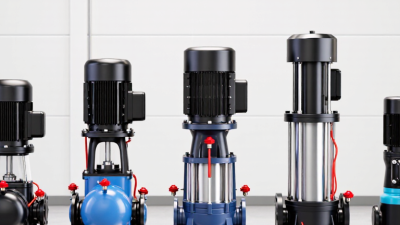
Comparing high-temperature condensate pump manufacturers means looking beyond maximum temperature ratings. A useful review checks hydraulic range, casing design, shaft support, and service access. Small details matter. Near-saturation condensate can flash when suction conditions are poor, causing vibration. Manufacturers should publish performance curves across expected flow rates, not just a best-point figure. Product ranges may include vertical can pumps for limited floor space and horizontal multistage units for higher pressure. Custom configurations can suit variable loads. Materials, seal plans, and bearing arrangements also shape maintenance intervals.

Application fit separates a capable supplier from a catalog match. Power stations often need continuous duty, stable operation during load swings, and clear startup procedures after hot standby. Industrial plants may prioritize compact footprints, corrosion resistance, or easier seal replacement. Ask how testing reflects actual condensate temperature, inlet pressure, and fluid chemistry. Look for documented factory tests, spare-parts support, and field-service response—not vague claims. Not always. I would give service access more weight than brochures often do, though that judgment depends on site staffing. Published data can omit transient conditions, while installation quality changes results.

Selecting a Manufacturer for Your Operating Requirements

Selecting a high-temperature condensate pump manufacturer starts with your actual operating conditions, not a catalog headline. Record fluid temperature, flow range, pressure, startup frequency, and any flashing or entrained steam. A pump handling hot condensate may face changing inlet conditions during startup. Share those details with potential suppliers. Ask how their recommended design manages thermal expansion, bearing loads, and seal temperature. Request a performance curve that covers your normal duty point and expected operating range.

Tips: Compare more than maximum temperature. Check materials, seal plans, motor limits, and required net positive suction head. Ask for documented testing and clarify what the test includes. Confirm spare-part availability and typical service access before purchase.

A capable manufacturer should explain its assumptions and identify limits, rather than promise a universal fit. Review references from similar temperature and pressure duties, but verify that the installations match your conditions. Discuss how the pump will be aligned and maintained after piping heats up; cold alignment alone may not tell the whole story. The details can be inconvenient, and specifications may still leave questions. That is worth examining. A clear response to those questions often reveals more than polished sales language. Keep the final selection tied to measurable requirements, including acceptable efficiency, vibration, and maintenance intervals.