China Top Canned Pump Manufacturers for Global Buyers?
China has become a major sourcing base for canned pump equipment, serving chemical, pharmaceutical, refrigeration, and energy projects worldwide. Yet a long supplier list does not guarantee dependable performance. Buyers must examine motor design, pressure ratings, seal-free containment, materials, testing records, and after-sales support.
As pump engineer Heinz P. Bloch has observed, “Reliability is not a feature; it is a process.” This principle fits every canned pump evaluation. A well-built unit should operate quietly, protect the handled fluid, and reduce leakage risks around demanding processes. However, catalog claims can look stronger than real factory capabilities. That gap deserves attention.
This guide reviews leading China canned pump manufacturers for global buyers. It considers engineering experience, production capacity, quality control, customization, certifications, and export service. It also looks beyond polished websites. Can the supplier provide test curves? Are winding insulation, bearing materials, and pressure tests documented? Can the technical team explain operation at 145°C or under continuous duty?
Details matter.
A buyer may need a pump for corrosive solvent, hot water, or high-purity circulation. Each application changes the selection. Stainless steel may be suitable in one process but inadequate in another. A lower purchase price may also bring higher maintenance costs later. That is not always obvious.
The manufacturers discussed here are not ranked by marketing language alone. Their strengths, limitations, and response quality all matter. No supplier fits every project. Careful verification remains essential before placing an international order.
What Is a Canned Pump and Why Is It Used?
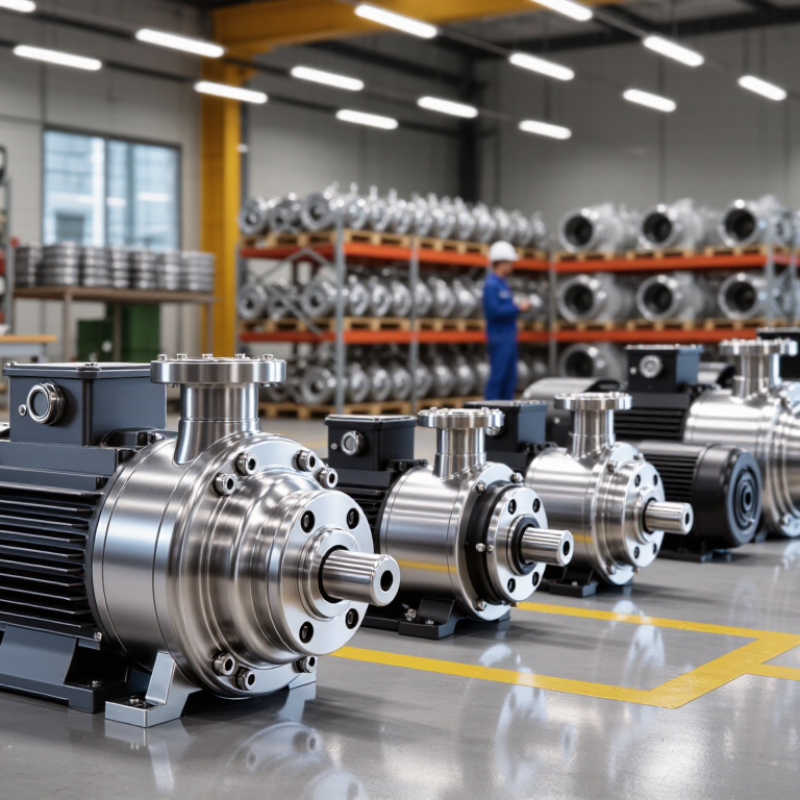
A canned pump is a sealless centrifugal pump. Its motor and pumping chamber sit inside a pressure-resistant casing. The pumped liquid cools the motor and lubricates internal bearings. There is no conventional shaft seal crossing the casing. That detail matters. It reduces leakage paths around toxic, corrosive, sterile, or volatile fluids.
Why use one? Safety is the main reason, but not the only one. Canned construction also supports clean operation in chemical processing, refrigeration, pharmaceutical, and high-temperature circulation systems. The International Energy Agency reported that industry consumed about 37% of global final energy in 2022. Pump efficiency therefore deserves practical attention. U.S. Department of Energy guidance also notes that energy can represent over 40% of a pumping system’s life-cycle cost. A poorly selected pump quietly increases that burden.
The trade-off is real. Canned pumps usually cost more initially and require careful bearing, temperature, and dry-running control. A damaged bearing may contaminate the process fluid. That risk is sometimes underestimated. Buyers should check viscosity, vapor pressure, solid content, pressure, temperature, and required flow before comparing manufacturers. The Hydraulic Institute recommends evaluating pumps across their complete operating range, not only at the rated point. Small installation mistakes matter. In my experience, a reliable specification beats an impressive catalogue.
Canned Pump Design: Key Features for Global Buyers
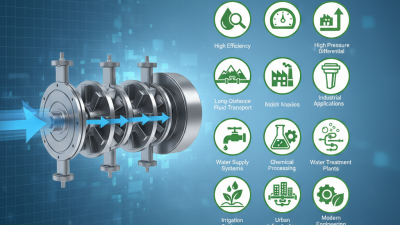
A canned motor pump is a sealless centrifugal pump in which the motor and pump are enclosed in one pressure boundary.
The design eliminates the conventional external shaft seal, helping reduce fugitive emissions and leakage risk when handling
toxic, volatile, corrosive, or valuable fluids. Internal circulation is used to cool and lubricate the motor bearings.
The chart uses a factual feature-presence comparison: 1 means the feature is normally present in the listed pump design,
while 0 means it is normally absent. Reference framework: API 685 for sealless centrifugal pumps.
How China’s Canned Pump Manufacturers Are Classified
China’s canned pump manufacturers are best classified by capability, not factory size alone. In practical sourcing, three groups appear often.
Standardized producers focus on common chemical, refrigeration, and circulation duties. Their strength is repeatable production, familiar materials, and shorter lead times.
Project-oriented manufacturers engineer pumps for higher pressure, unusual fluids, or demanding temperatures. They usually provide hydraulic calculations, motor data, and drawings for approval.
A smaller specialist group concentrates on export projects, customized materials, or compact skid systems.
This classification should include more than product range. Review the containment shell design, bearing materials, insulation class, and allowable operating temperature.
Ask whether the manufacturer performs hydrostatic, electrical, vibration, and performance tests on every order. Test reports should show measurable values, not only stamped certificates. Traceable serial numbers matter.
A catalogue can look convincing. It is not proof.
Global buyers should also examine engineering communication. Can the supplier explain NPSH margin, dry-running risks, and the effect of fluid viscosity? Can it identify unsuitable operating conditions before production?
Reliable manufacturers normally request process data, such as flow rate, differential pressure, density, temperature, and vapor pressure.
Some suppliers may classify themselves as project experts without enough field evidence. That deserves careful questioning.
Factory audits, sample inspections, and verified reference records can reveal this gap. The best classification is therefore based on documented performance, technical depth, and consistent quality control.
Export, Customization, and After-Sales Considerations
For global buyers, selecting a canned pump manufacturer in China requires more than comparing unit prices. Export experience should appear in clear technical documents, accurate packing lists, and stable communication. Reliable suppliers can prepare commercial invoices, certificates of origin, inspection records, and shipping documents without repeated corrections. They also understand regional voltage, flange standards, language requirements, and import procedures. Small errors can delay an entire project.
Customization should begin with operating conditions, not a preferred model number. Buyers should provide flow rate, head, liquid temperature, viscosity, material requirements, and installation details. Engineers can then review motor power, seal-less construction, connection size, and control options. Factory acceptance testing may include pressure checks, vibration readings, insulation tests, and performance verification. Photos and measured data are useful. Drawings alone are not enough.
After-sales support often separates a dependable supplier from a temporary seller. Ask about commissioning guidance, troubleshooting methods, spare-part availability, and response times in writing. A practical package may include seals, bearings, sensors, and maintenance instructions. Remote support can solve simple faults, but complex issues may require local service coordination. Some suppliers promise fast assistance but provide vague procedures. That deserves careful questioning. Buyers should also confirm warranty exclusions and recommended maintenance intervals before shipment. A lower purchase price can become expensive when technical support is slow. The best evaluation may still miss an unexpected installation problem. That is why open communication and documented responsibilities matter.